
Chips floor designs
Chips floor, or chips flooring, is the local name for terrazzo: marble chips set in a cement matrix and ground flat. These are the 38 coded designs in current production, grouped by the look people ask for. Every one is made to order in Karachi, and samples are sent on request.
How terrazzo is made, graded, laid and cared for is on the terrazzo tiles page.
White chips floor design: white and light bases
A white or beige base reads as a pale floor with texture in it, because the base is the majority of the surface. White base with Greece white chips is a quiet, near monolithic surface, and the same base with black chips is a graphic floor with strong figure and ground.
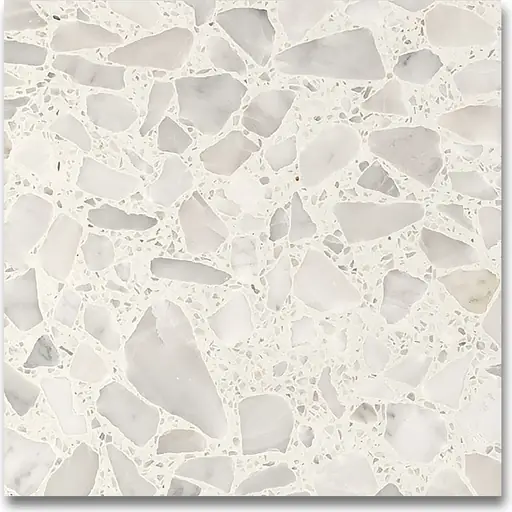
ATW-1001
White base, Greece white chips, grade 3
Request this sample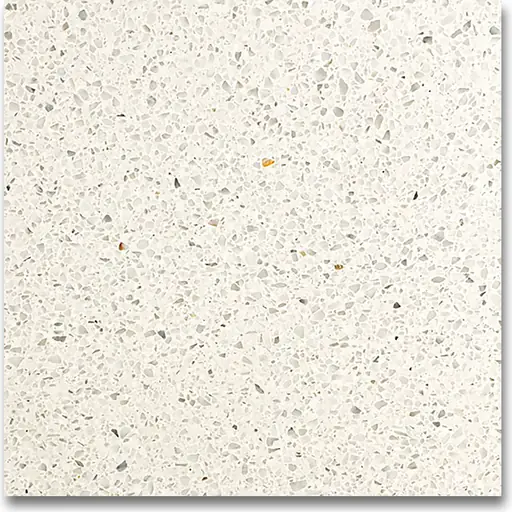
ATW-1002
White base, Greece white chips, grade 1.5
Request this sample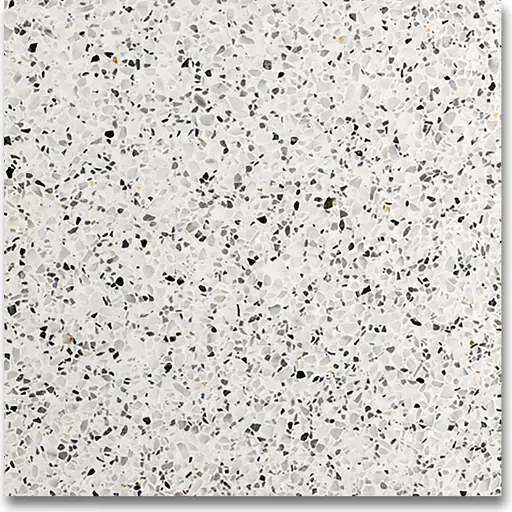
ATW-1003
White base, Salt pepper chips, grade 1.5
Request this sample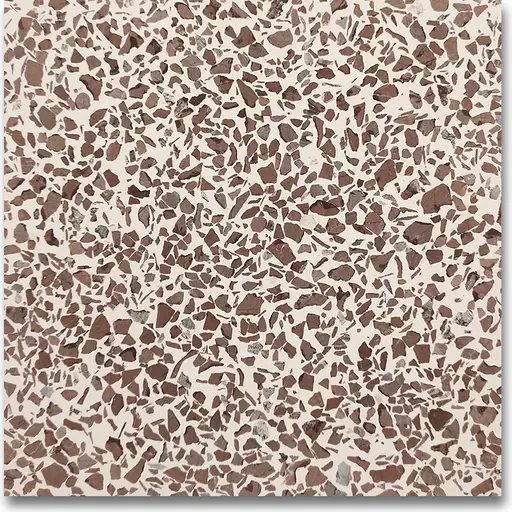
ATW-1004
White base, Chocolate chips, grade 1.75
Request this sample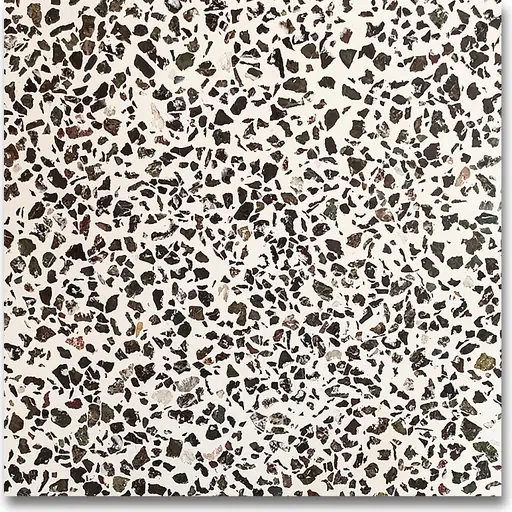
ATW-1005
White base, Black chips, grade 2
Request this sample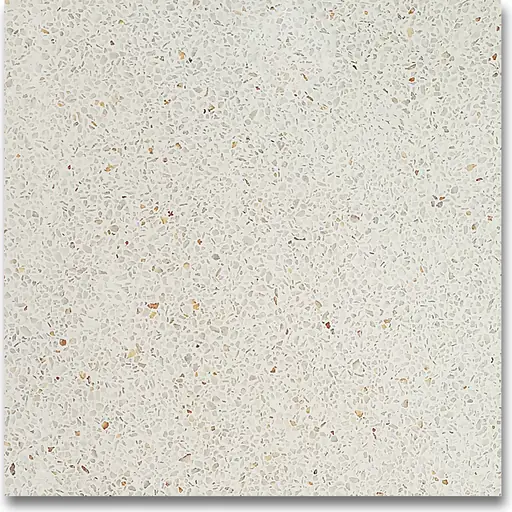
ATW-1006
White base, Cloud chips, grade 1.5
Request this sample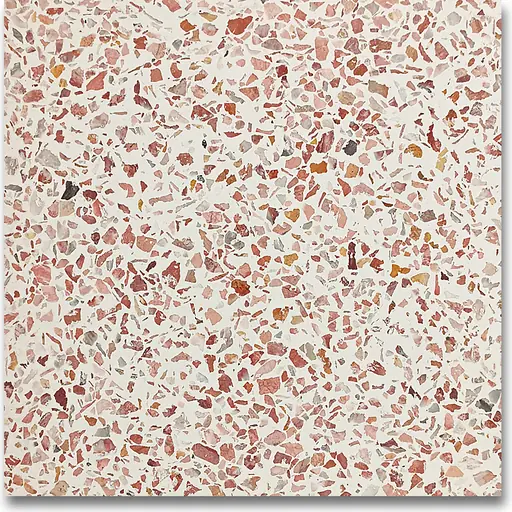
ATW-1007
White base, Red and white chips, grade 1.75
Request this sample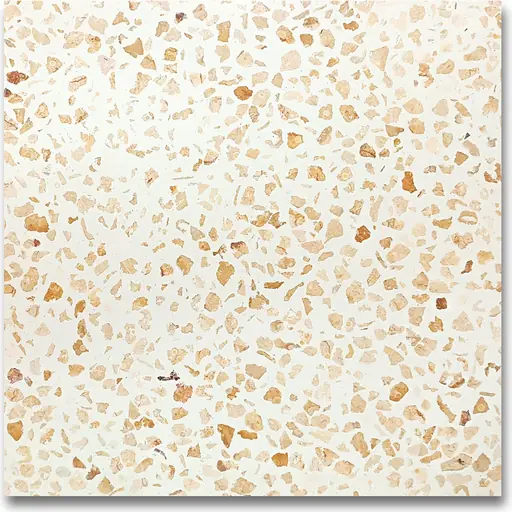
ATW-1008
White base, Yellow gold chips, grade 2
Request this sample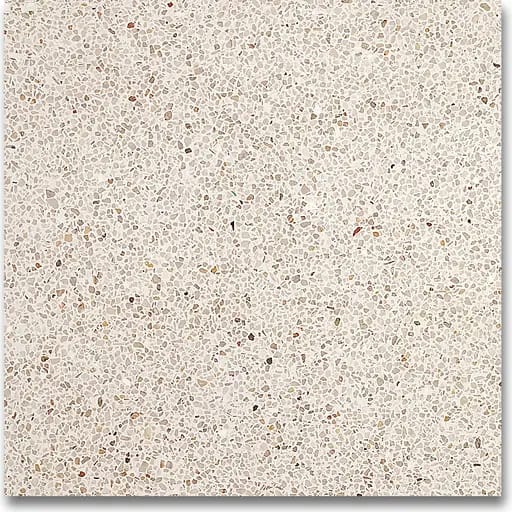
ATW-1009
White base, Verona chips, grade 1.5
Request this sample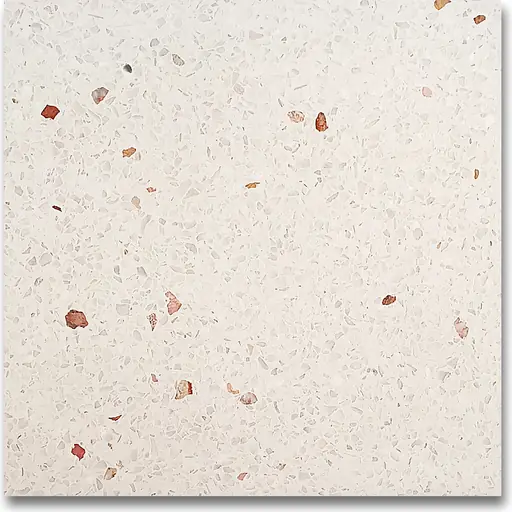
ATW-1010
White base, Greece red chips, grade 1.75
Request this sample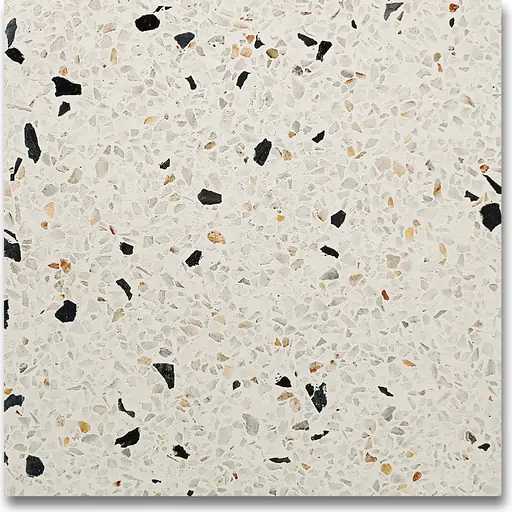
ATW-1011
White base, Cloud black chips, grade 1.75
Request this sample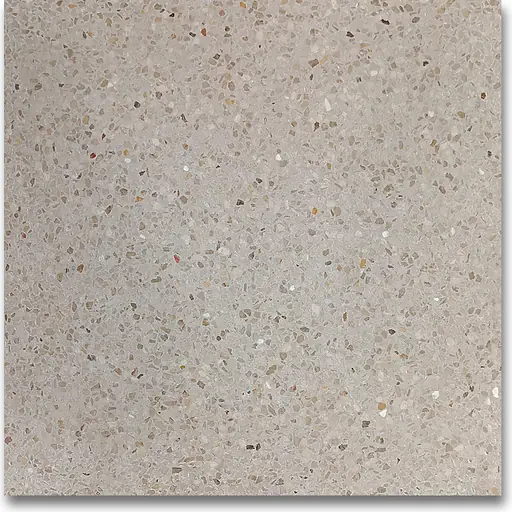
ATB-6001
Light beige brown base, Verona chips, grade 1.5
Request this sample
Simple chips floor design: fine, even chips
Grade 1.5 is the finest in the book. It gives a dense, even scatter that resolves as a tone rather than a pattern, closer to a honed stone than to a mosaic. It suits small rooms, bathrooms and stair treads, and anywhere the floor is competing with something else that has to win.
ATW-1002
White base, Greece white chips, grade 1.5
Request this sampleATW-1003
White base, Salt pepper chips, grade 1.5
Request this sampleATW-1006
White base, Cloud chips, grade 1.5
Request this sampleATW-1009
White base, Verona chips, grade 1.5
Request this sample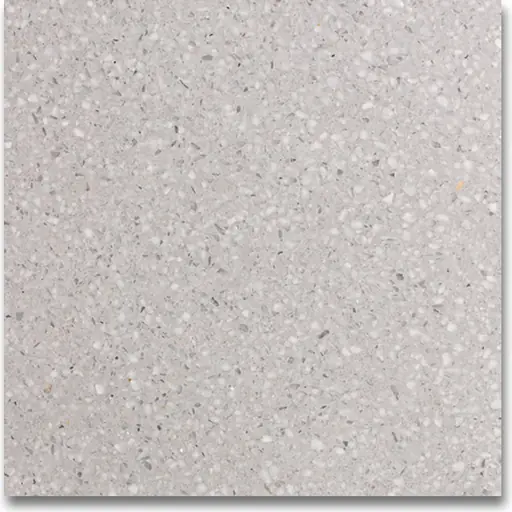
ATG-2001
Light grey base, Greece white chips, grade 1.5
Request this sample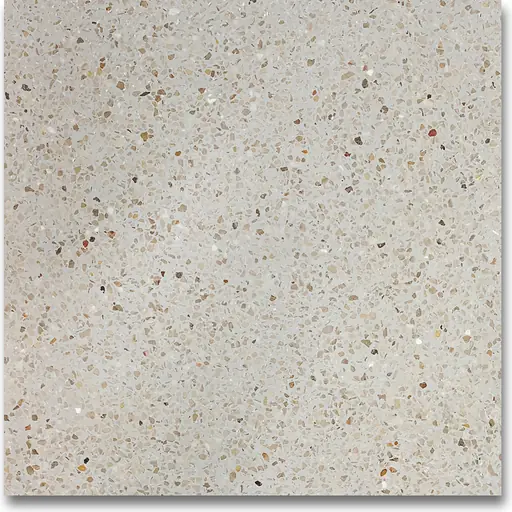
ATG-2009
Grey base, Verona chips, grade 1.5
Request this sampleATB-6001
Light beige brown base, Verona chips, grade 1.5
Request this sample
Modern chips design: grey bases
Grey bases are the most stable across the day, which is one reason they run through so many commercial projects. The book separates light grey, grey and dark grey inside the same code family, and the gap between a light and a dark grey base is larger than the gap between most aggregates, so read the base line under each code.
ATG-2001
Light grey base, Greece white chips, grade 1.5
Request this sample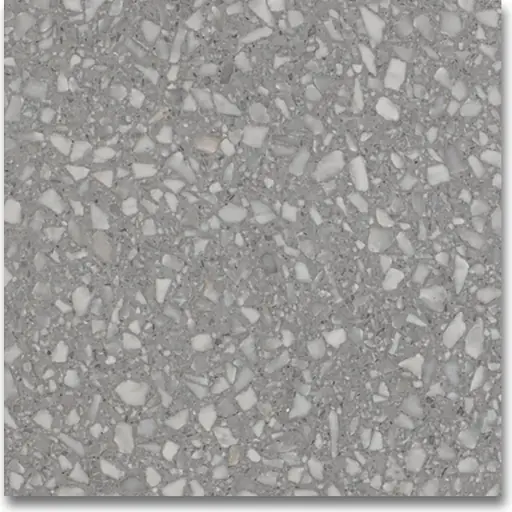
ATG-2002
Dark grey base, Greece white chips, grade 2
Request this sample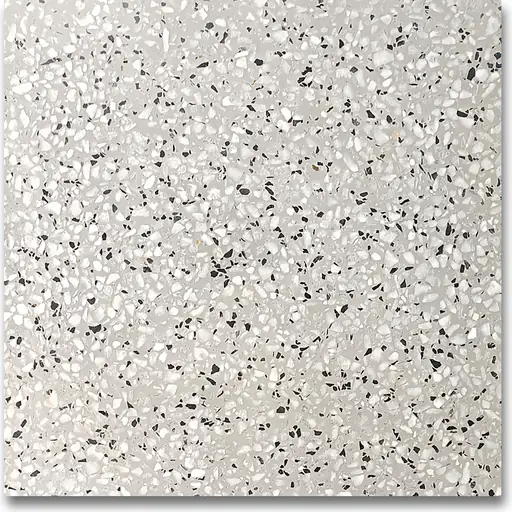
ATG-2003
Light grey base, Salt pepper chips, grade 1.75
Request this sample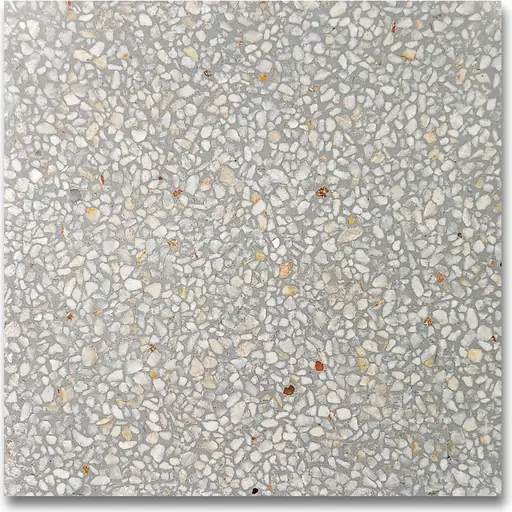
ATG-2004
Grey base, Cloud white chips, grade 1.75
Request this sample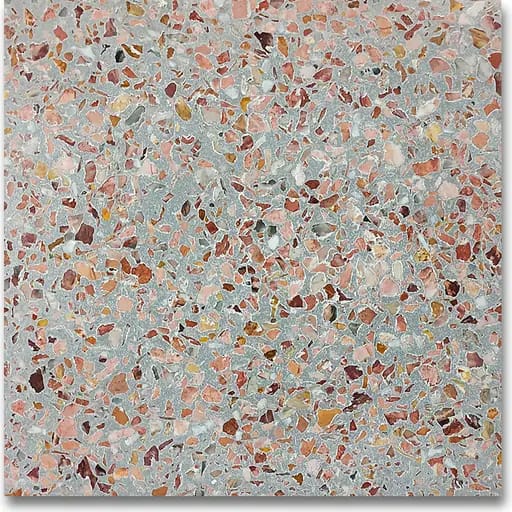
ATG-2005
Grey base, Red and white chips, grade 2
Request this sample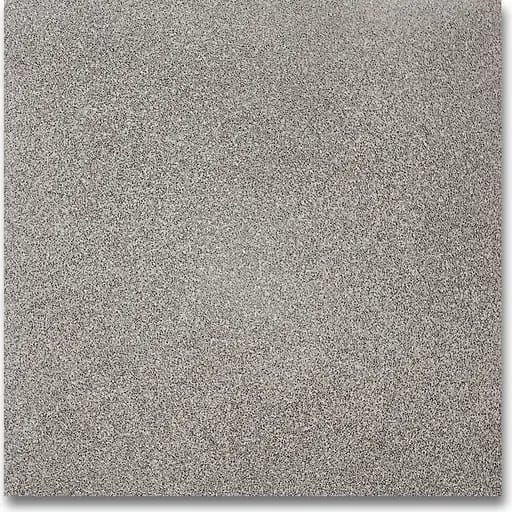
ATG-2006
Grey base, Rogwal black chips
Request this sample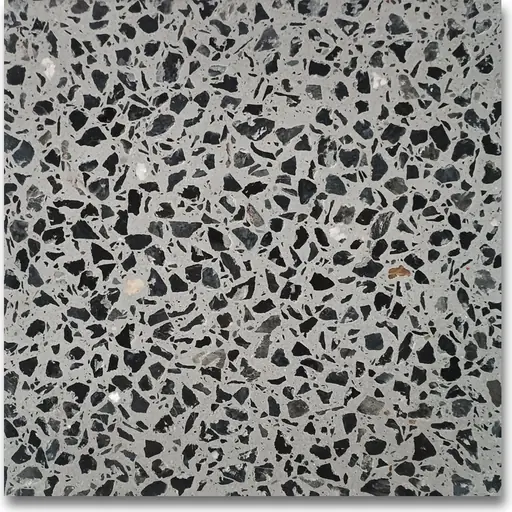
ATG-2007
Grey base, Black chips, grade 3
Request this sample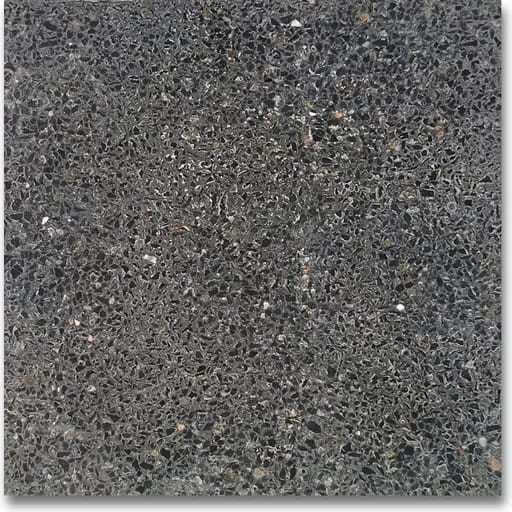
ATG-2008
Dark grey base, Cloud white chips, grade 1.75
Request this sampleATG-2009
Grey base, Verona chips, grade 1.5
Request this sample
Colour chips floors: yellow, red and mint green
Yellow, red and mint green are the colour families. The base is the cement, pigmented through the body, so the colour is not a surface print and does not wear off the face.
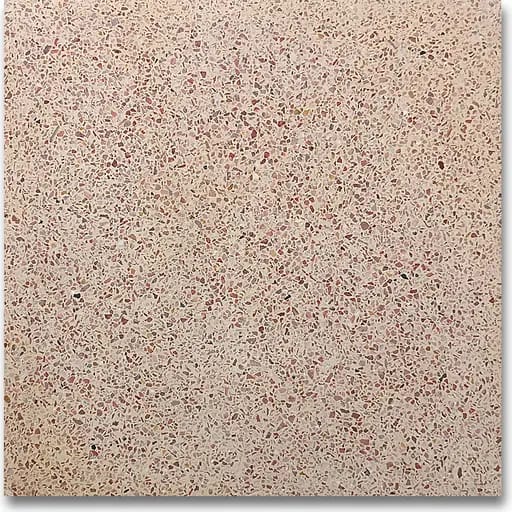
ATY-3001
Yellow base, Red and white chips, grade 1.5
Request this sample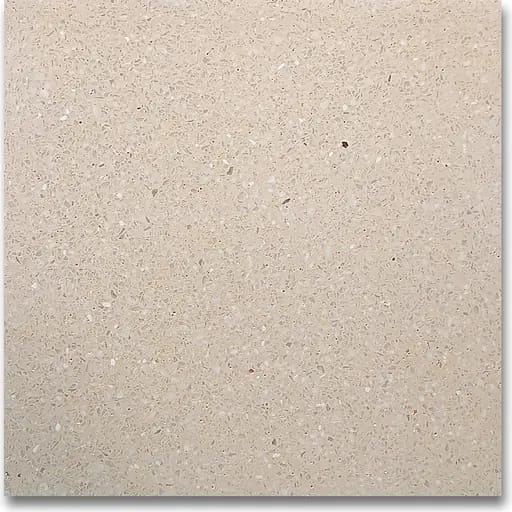
ATY-3002
Yellow base, Greece white chips, grade 1.5
Request this sample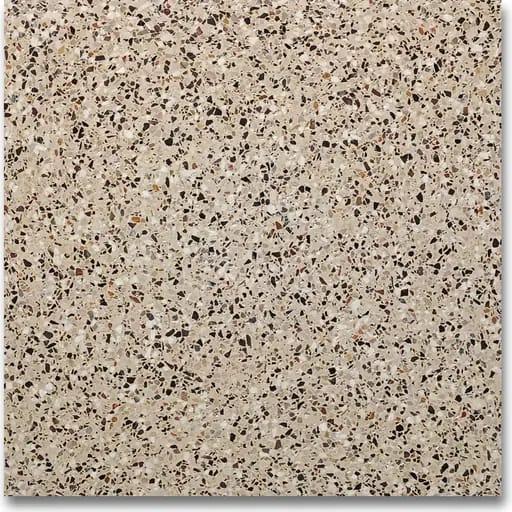
ATY-3003
Yellow base, Salt pepper chips, grade 1.5
Request this sample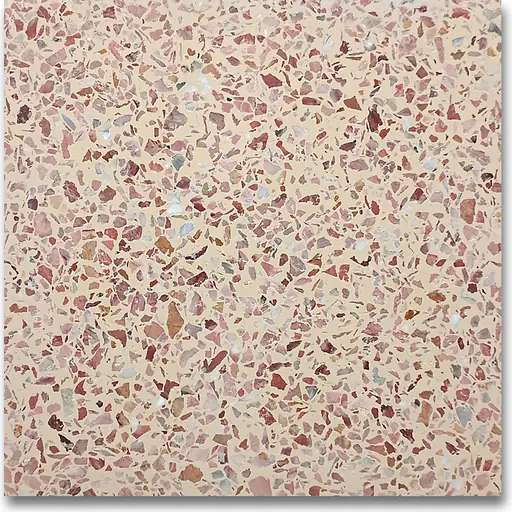
ATY-3004
Yellow base, Red and white chips, grade 2
Request this sample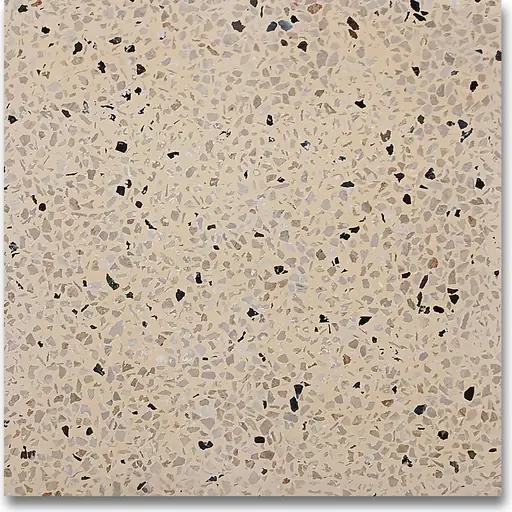
ATY-3005
Yellow base, Verona black chips, grade 1.75
Request this sample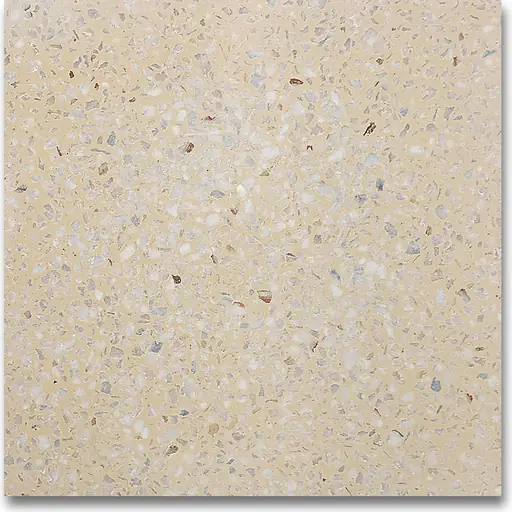
ATY-3006
Yellow base, Cloud white chips, grade 1.75
Request this sample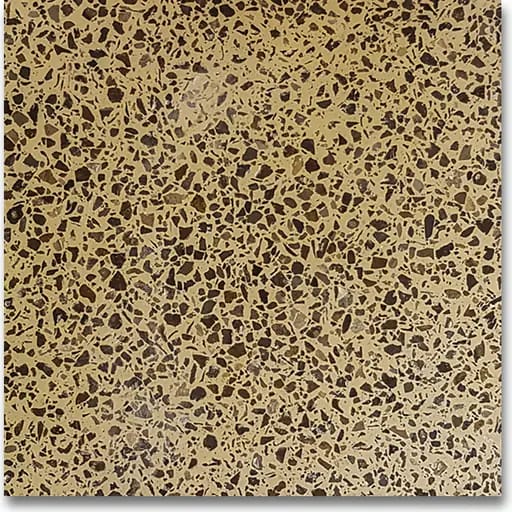
ATY-3007
Yellow base, Black chips, grade 1.75
Request this sample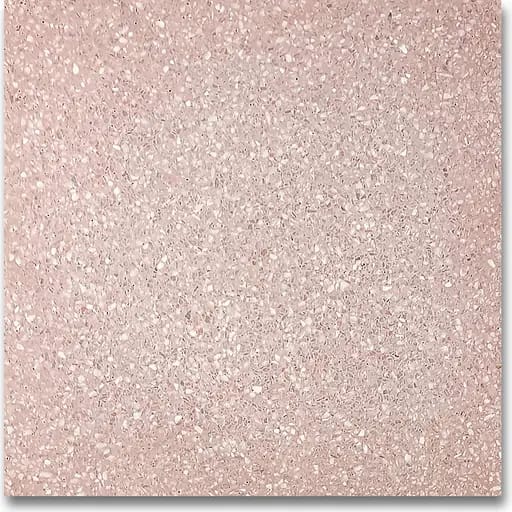
ATR-4001
Red base, Greece white chips, grade 1.5
Request this sample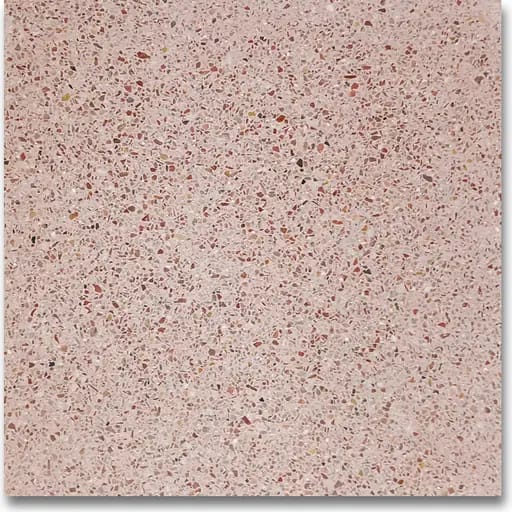
ATR-4002
Red base, Red and white chips, grade 1.5
Request this sample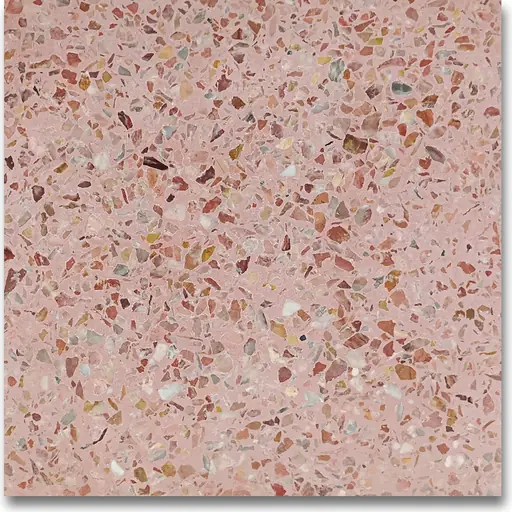
ATR-4003
Red base, Red and white chips, grade 2
Request this sample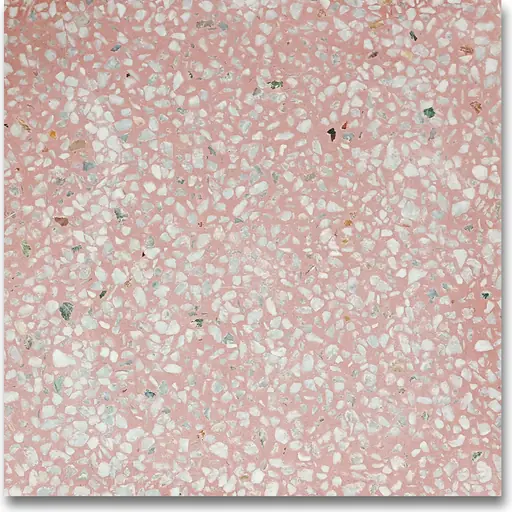
ATR-4004
Red base, Greece white chips, grade 1.75
Request this sample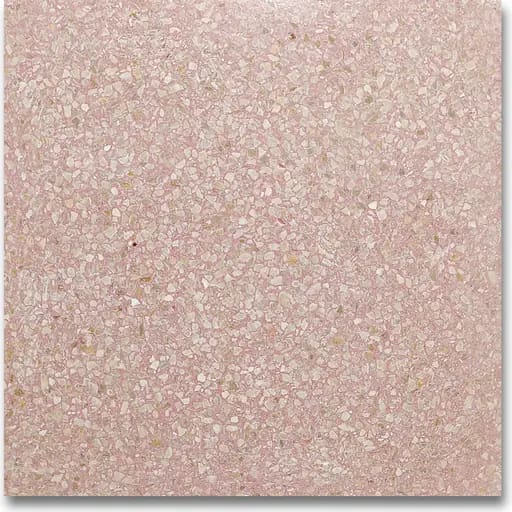
ATR-4005
Red base, Light yellow chips, grade 1.75
Request this sample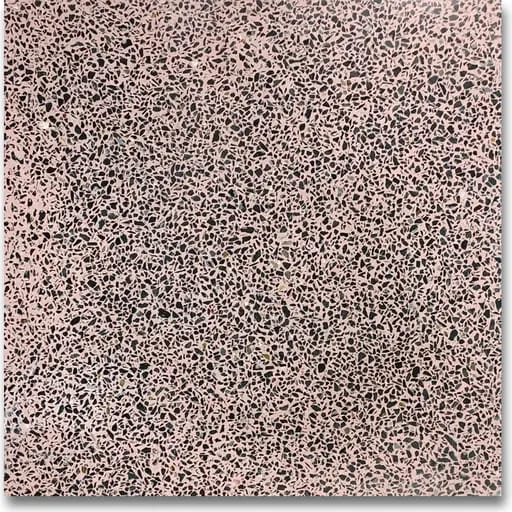
ATR-4006
Red base, Black chips, grade 1.5
Request this sample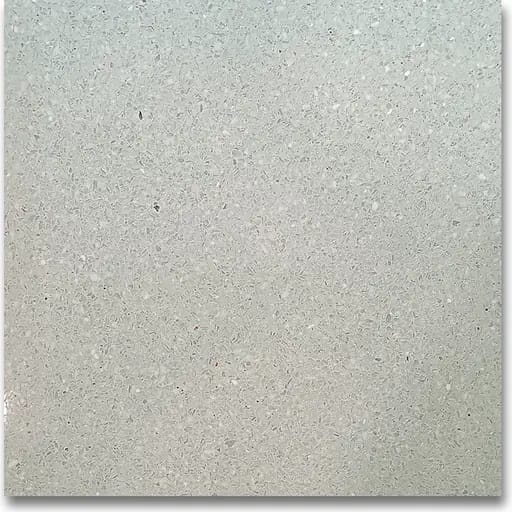
ATMG-5001
Mint green base, Greece white chips, grade 1.5
Request this sample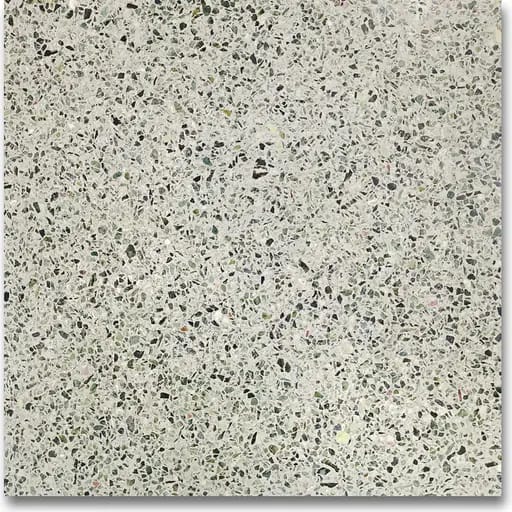
ATMG-5002
Mint green base, Emerald chips, grade 1.5
Request this sample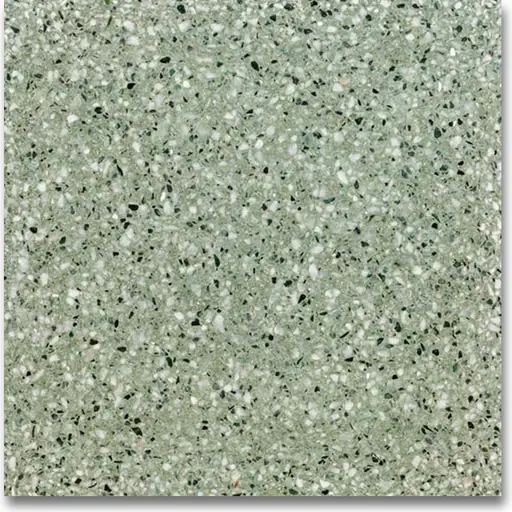
ATMG-5003
Mint green base, Salt pepper chips, grade 1.5
Request this sample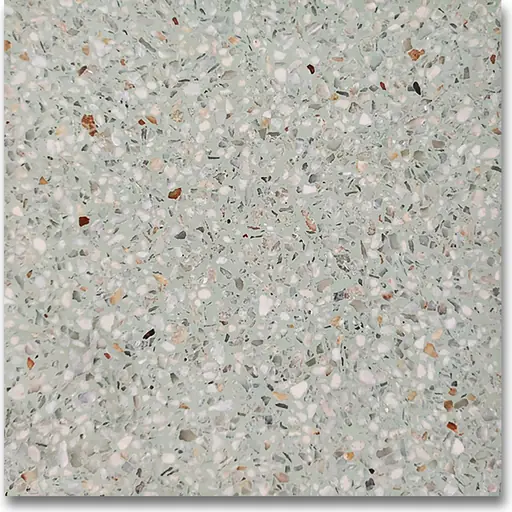
ATMG-5004
Mint green base, Cloud white chips, grade 1.75
Request this sample
Bold chips floors: the larger chip grades
Grades 2 and 3 are the coarse end of the book. A coarse grade gives large, individually legible pieces of stone and needs area: on a lobby floor or a long corridor it reads as a proper aggregate surface with depth and movement, while in a narrow bathroom it can look cropped.
ATW-1001
White base, Greece white chips, grade 3
Request this sampleATW-1005
White base, Black chips, grade 2
Request this sampleATW-1008
White base, Yellow gold chips, grade 2
Request this sampleATG-2002
Dark grey base, Greece white chips, grade 2
Request this sampleATG-2005
Grey base, Red and white chips, grade 2
Request this sampleATG-2007
Grey base, Black chips, grade 3
Request this sampleATY-3004
Yellow base, Red and white chips, grade 2
Request this sampleATR-4003
Red base, Red and white chips, grade 2
Request this sample
Chips floors once they are laid
A sample shows the mix. A laid floor shows how the grade and the base read across a whole room.
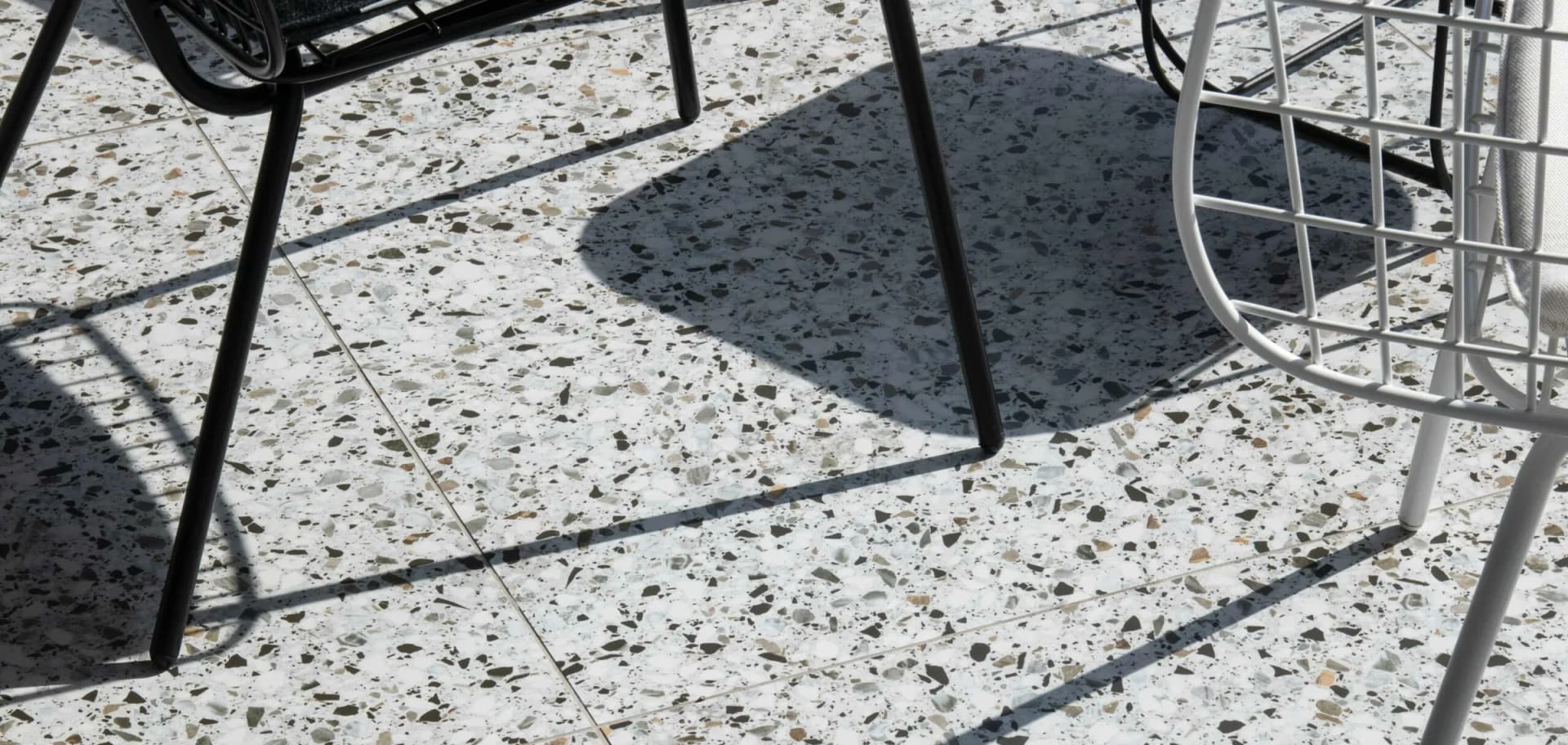
Polished terrazzo in raking afternoon light 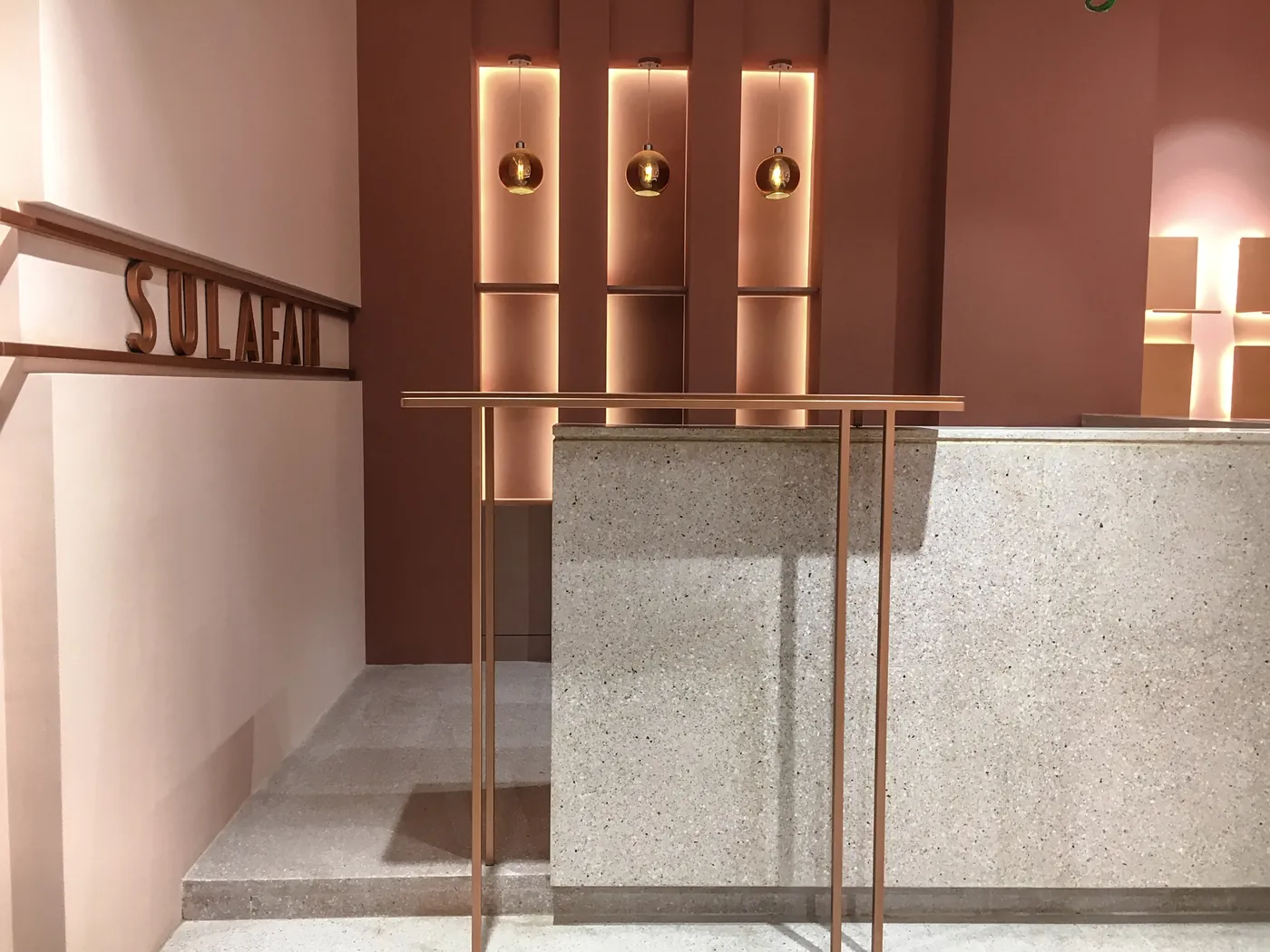
Sulafah, Dolmen Mall Clifton, Karachi
View the project
The same chips, finished another way
Two other products in the terrazzo family build on the same marble and cement.
Outdoor chips floor
Washed terrazzo tiles
The same marble chips, washed back so they stand above the cement matrix instead of being ground flat. It is the version for ramps, terraces and wet thresholds.
Broken slab, not chip
Palladiana terrazzo
Terrazzo built from broken marble slab instead of graded chip, ground flat so it reads as stone with a drawn joint rather than as speckle.
Four things that decide a chips floor
Everything in this page is a choice between a base, an aggregate and a chip grade.
1
Look at the grade before the colour
The grade is the size of the crushed stone, and it decides how busy a floor reads across a room more than the base does. Two finishes can share a base and look nothing alike once the grade changes.
2
Choose the base for the room
At normal viewing distance the base is what a room reads as, because it is most of the surface. If the brief is a light room, the base is the decision and the chips are the second conversation.
3
Match the grade to the size of the room
A fine grade tolerates small rooms and smaller tile formats. A coarse grade needs a large field to make sense, and in a narrow room it can look as though the pattern has been cropped.
4
Judge a sample in your own room
Look at it where the floor will be, at the hour the room is used, laid flat on the floor rather than held up to a window. Look at four together, not one: a single sample shows the mix and four show the floor.
Choosing a chips floor design
Which house floor chips design should I choose?
Terrazzo suits residential floors that want a hard surface without a grid of visible joints. For a house floor, start from the base, since it sets how the room reads, then choose the grade by the size of the room: a fine grade resolves as a tone and sits well in smaller rooms and on stair treads, and a coarse grade wants more area. Whatever you shortlist, ask for the sample of that code and look at it in the room.
Which chips floor design is best for a large lounge?
A large room can carry a coarse grade, because the larger chips need area to make sense. Grades 2 and 3 read as an aggregate surface with depth and movement across a big floor, while a fine grade stays calm and even. Neither is better; it depends on whether you want the floor to be the feature or the background.
Which chips floor design should I use on a porch or terrace?
A polished chips floor is ground smooth, which is the wrong surface for a ramp, an external step or a wet threshold. Washed terrazzo is the finish for those places: the same marble chips, washed back so they stand above the cement and give texture underfoot. Its own codes are on the washed terrazzo page.
Pick a code, then see it in your room
Send the code, the area and where it is going, and we will send a physical sample.