
Polished exposed terrazzo tiles
Terrazzo is marble aggregate suspended in a cement matrix, poured by hand and then ground flat until the stone reads. Thirty eight coded finishes are in current production across six base colours, from ATW-1001 in white to ATB-6001 in light beige brown. Because the aggregate runs through the full depth of the tile, a floor that dulls after ten years is reground rather than lifted.
The whole terrazzo book, filterable
Every finish in current production, by base colour and by chip grade. The code is the specification: the letters are the pigment, the number is the finish within that family, and the grade is the size of the aggregate.
Filter
Filter by base colour
Filter by chip grade
38 finishes in this library
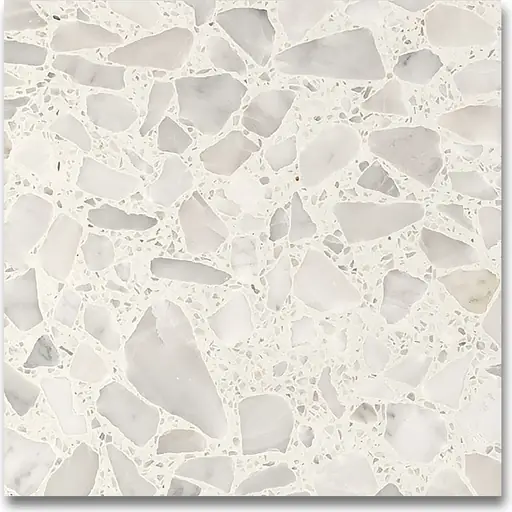
ATW-1001
Greece white chips, size 3
Request this sample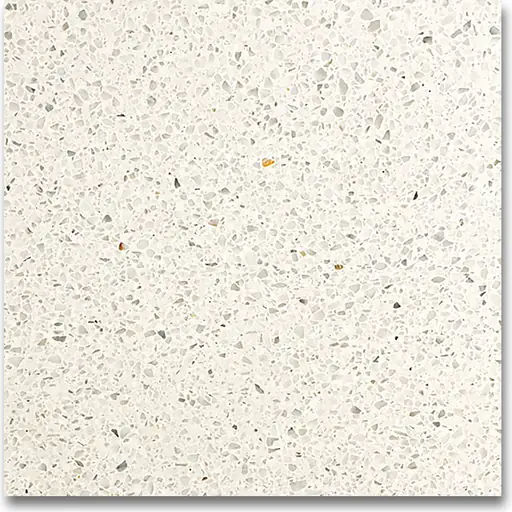
ATW-1002
Greece white chips, size 1.5
Request this sample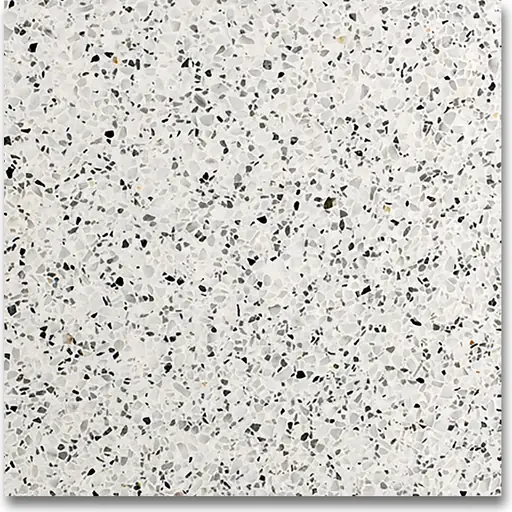
ATW-1003
Salt pepper chips, size 1.5
Request this sample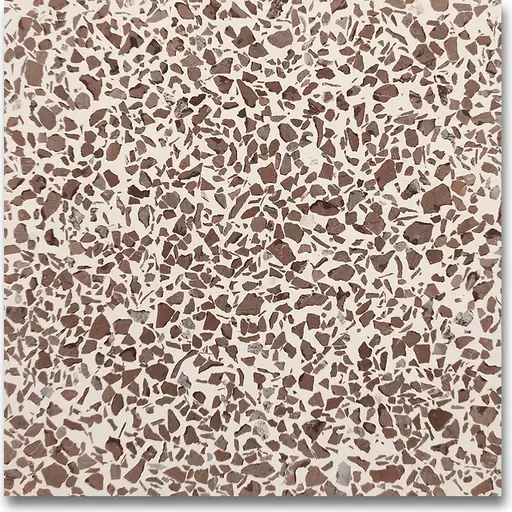
ATW-1004
Chocolate chips, size 1.75
Request this sample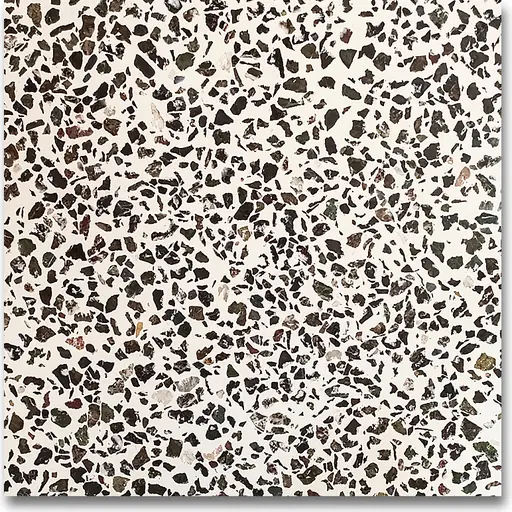
ATW-1005
Black chips, size 2
Request this sample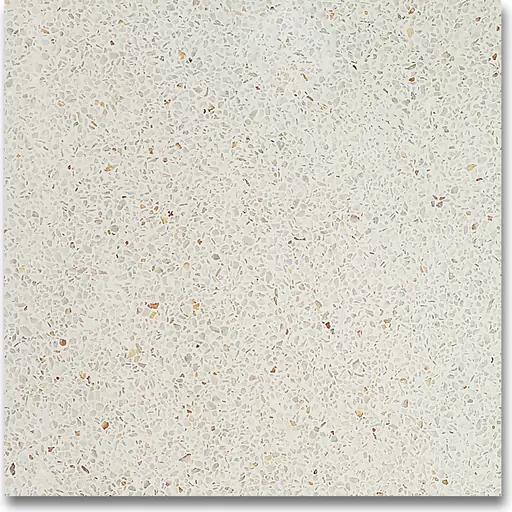
ATW-1006
Cloud chips, size 1.5
Request this sample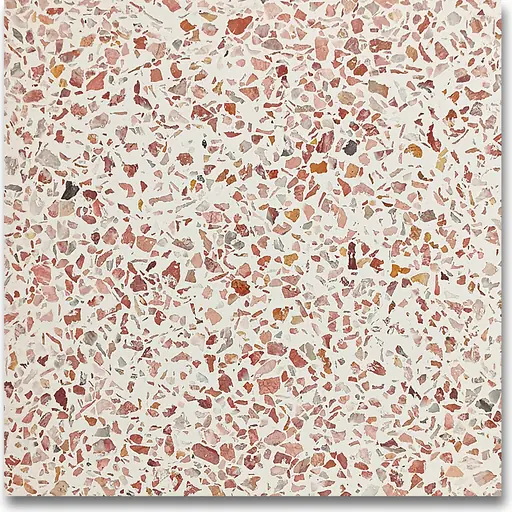
ATW-1007
Red and white chips, size 1.75
Request this sample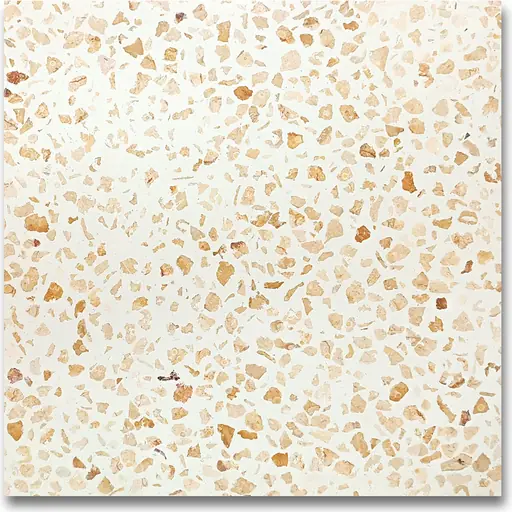
ATW-1008
Yellow gold chips, size 2
Request this sample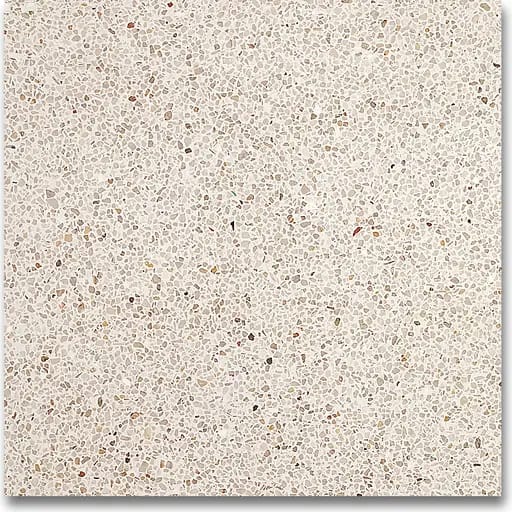
ATW-1009
Verona chips, size 1.5
Request this sample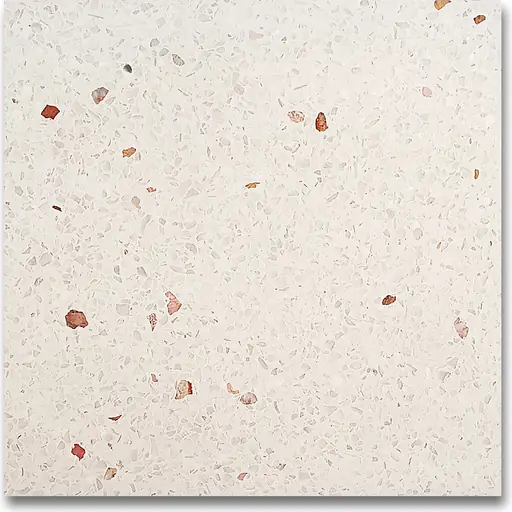
ATW-1010
Greece red chips, size 1.75
Request this sample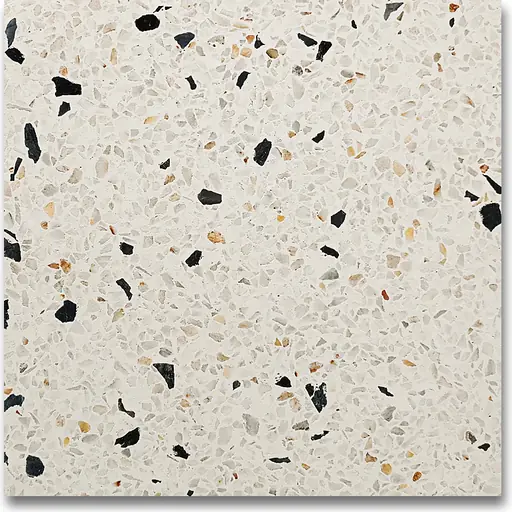
ATW-1011
Cloud black chips, size 1.75
Request this sample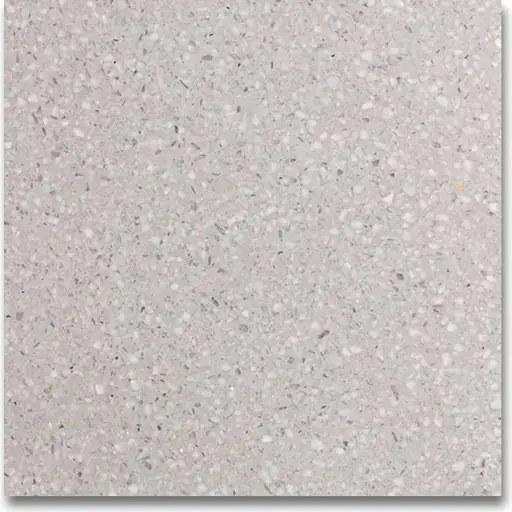
ATG-2001
Greece white chips, size 1.5
Request this sample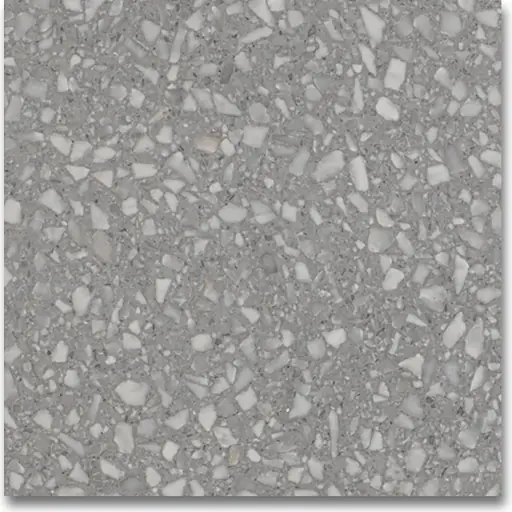
ATG-2002
Greece white chips, size 2
Request this sample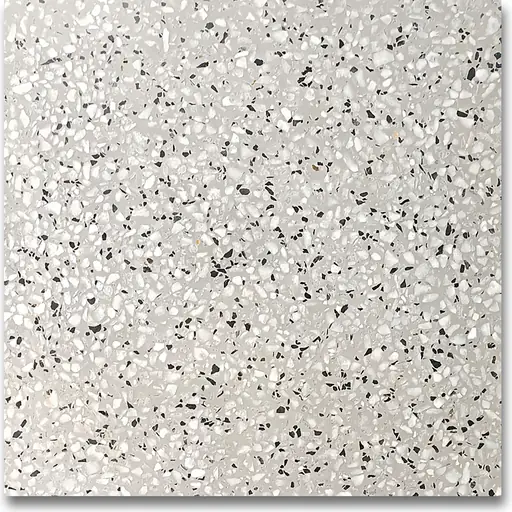
ATG-2003
Salt pepper chips, size 1.75
Request this sample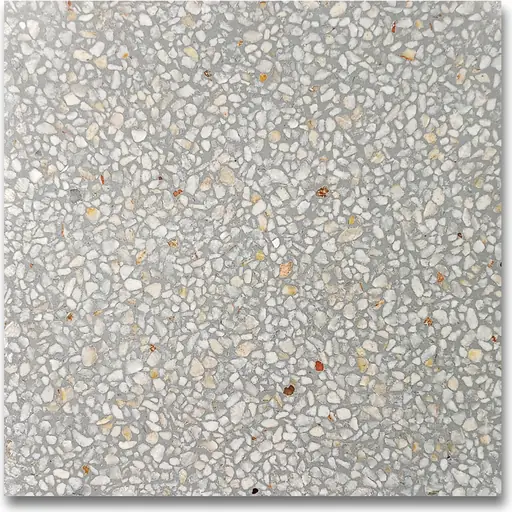
ATG-2004
Cloud white chips, size 1.75
Request this sample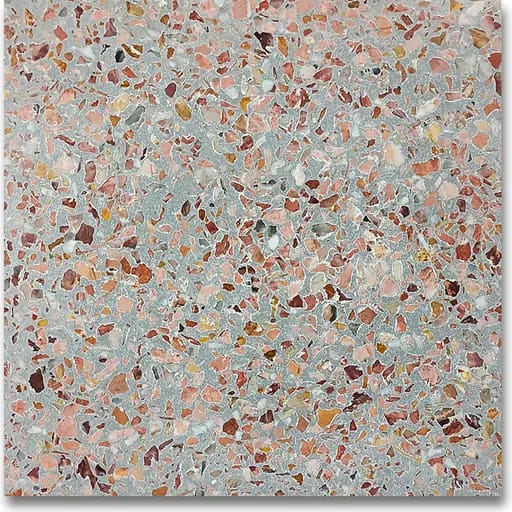
ATG-2005
Red and white chips, size 2
Request this sample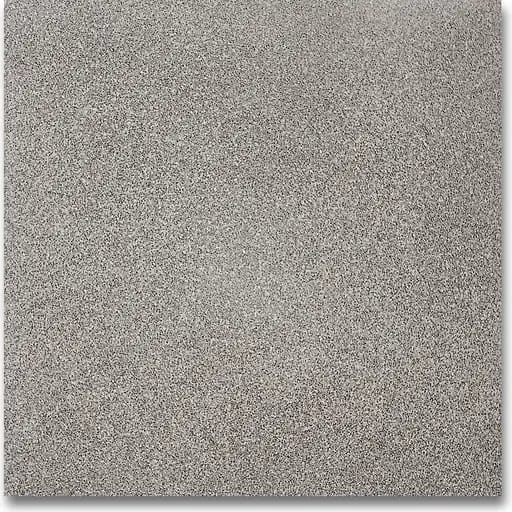
ATG-2006
Rogwal black chips
Request this sample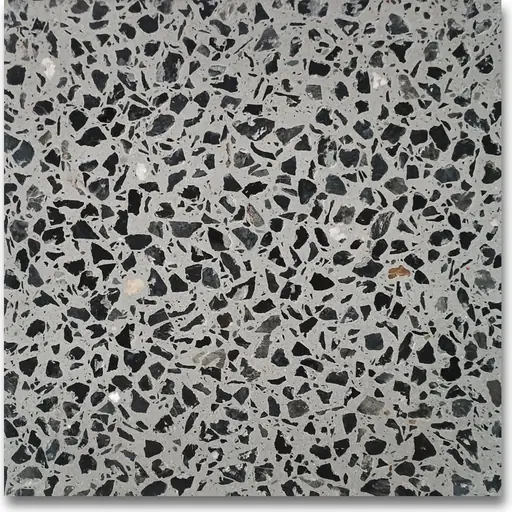
ATG-2007
Black chips, size 3
Request this sample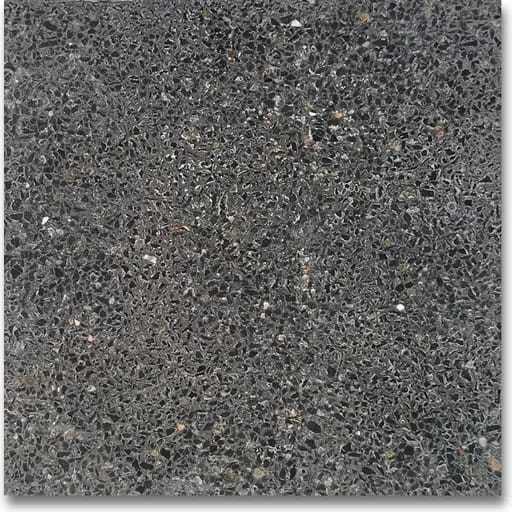
ATG-2008
Cloud white chips, size 1.75
Request this sample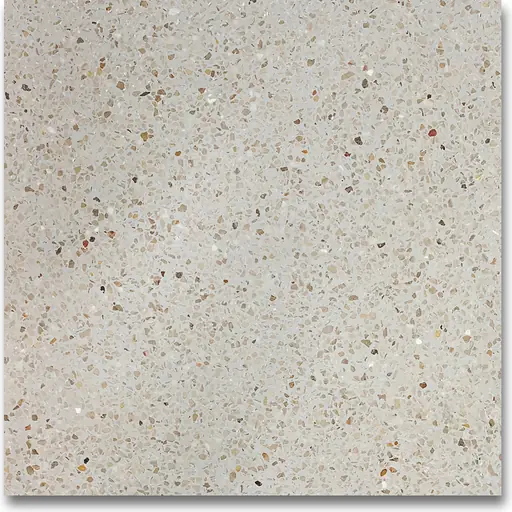
ATG-2009
Verona chips, size 1.5
Request this sample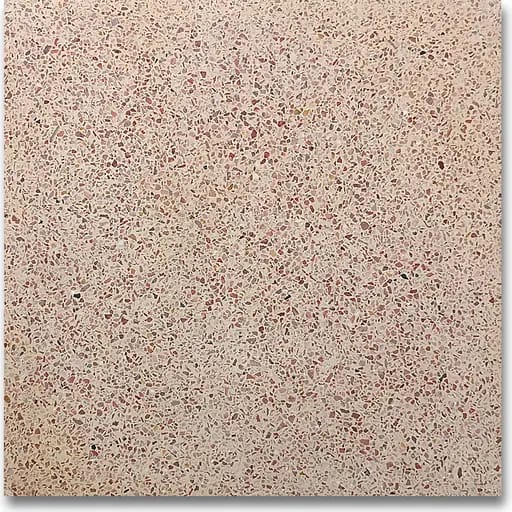
ATY-3001
Red and white chips, size 1.5
Request this sample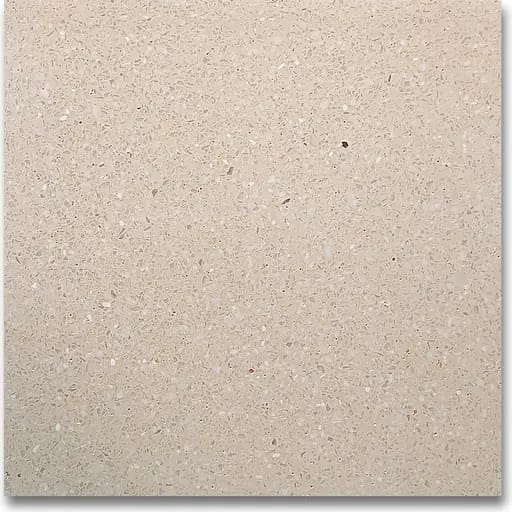
ATY-3002
Greece white chips, size 1.5
Request this sample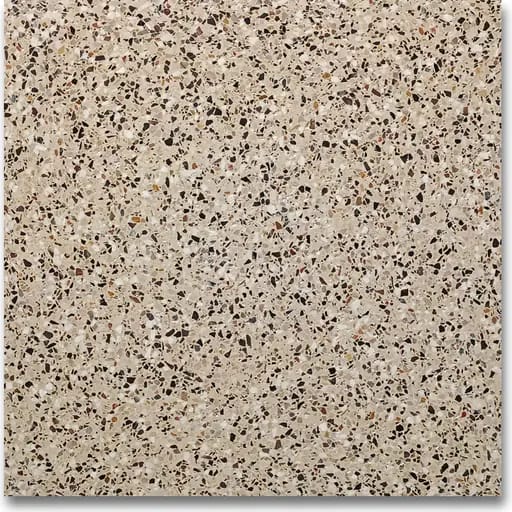
ATY-3003
Salt pepper chips, size 1.5
Request this sample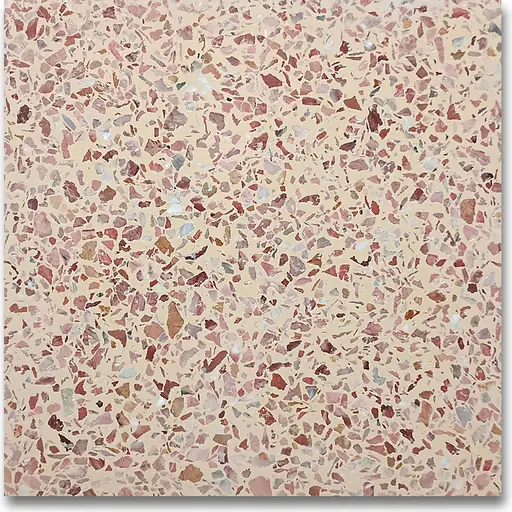
ATY-3004
Red and white chips, size 2
Request this sample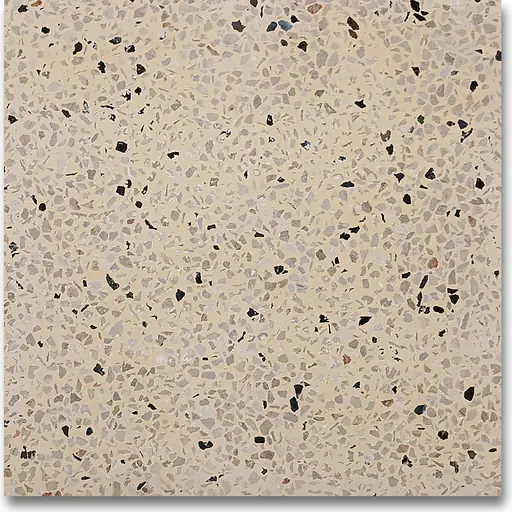
ATY-3005
Verona black chips, size 1.75
Request this sample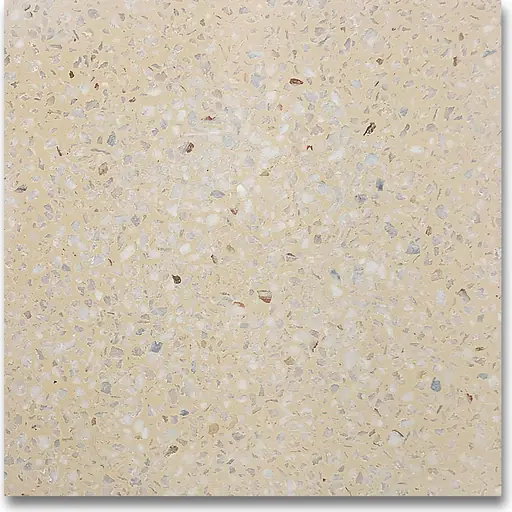
ATY-3006
Cloud white chips, size 1.75
Request this sample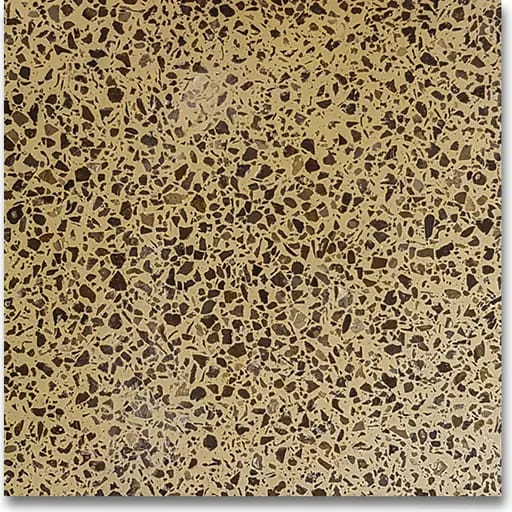
ATY-3007
Black chips, size 1.75
Request this sample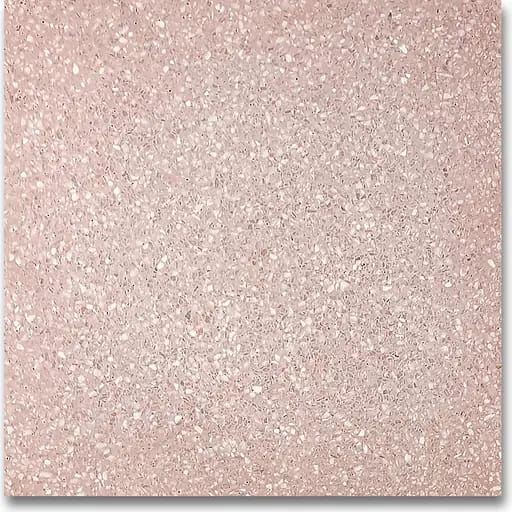
ATR-4001
Greece white chips, size 1.5
Request this sample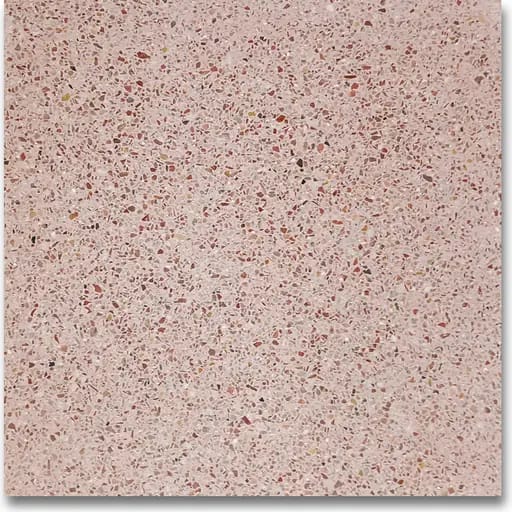
ATR-4002
Red and white chips, size 1.5
Request this sample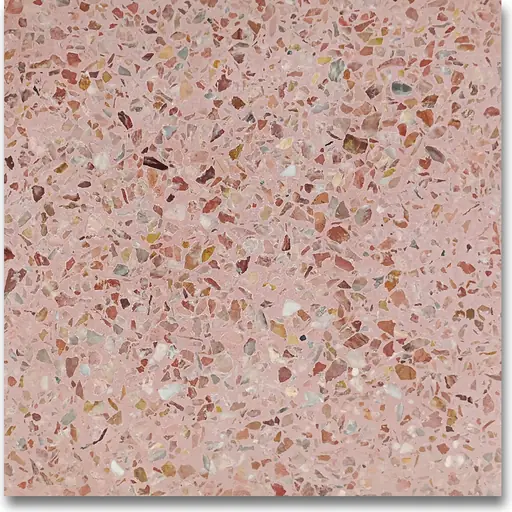
ATR-4003
Red and white chips, size 2
Request this sample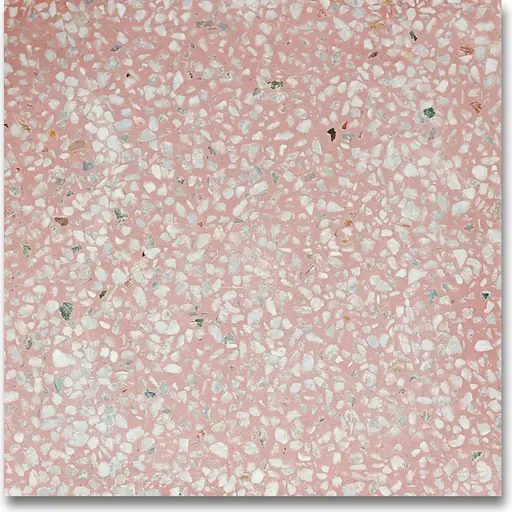
ATR-4004
Greece white chips, size 1.75
Request this sample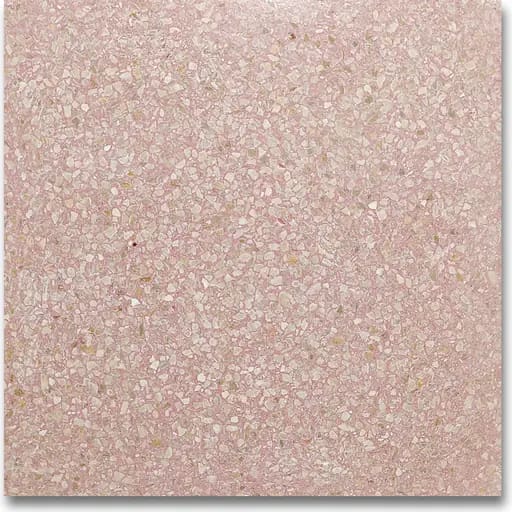
ATR-4005
Light yellow chips, size 1.75
Request this sample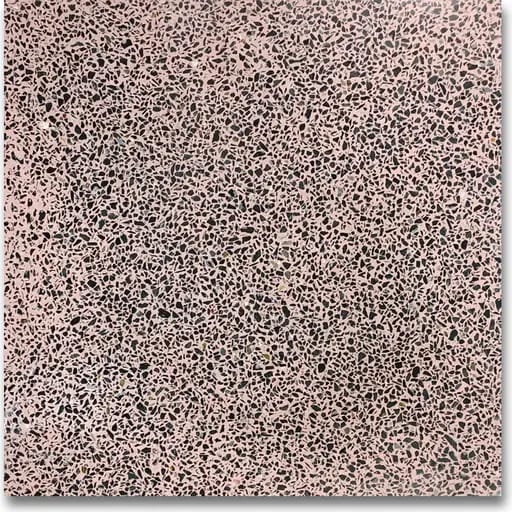
ATR-4006
Black chips, size 1.5
Request this sample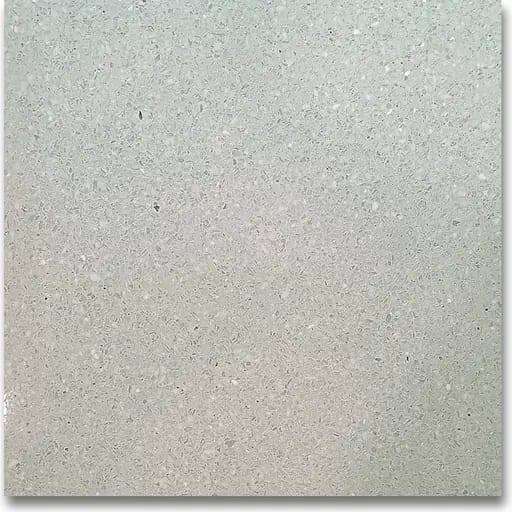
ATMG-5001
Greece white chips, size 1.5
Request this sample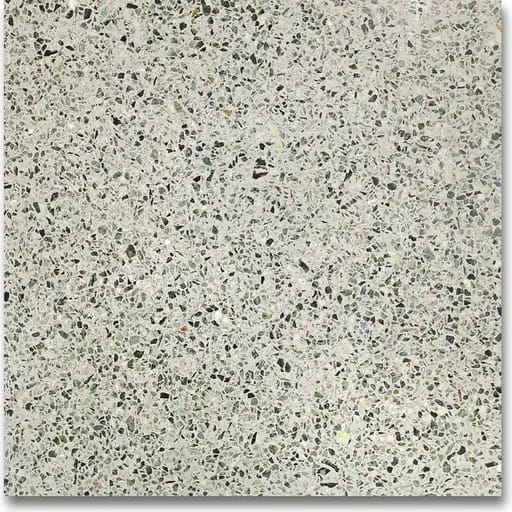
ATMG-5002
Emerald chips, size 1.5
Request this sample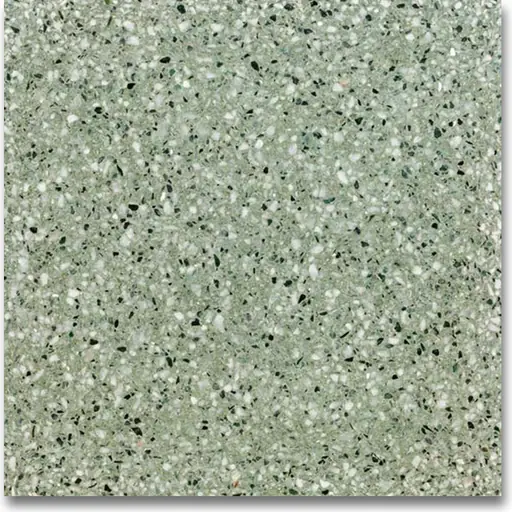
ATMG-5003
Salt pepper chips, size 1.5
Request this sample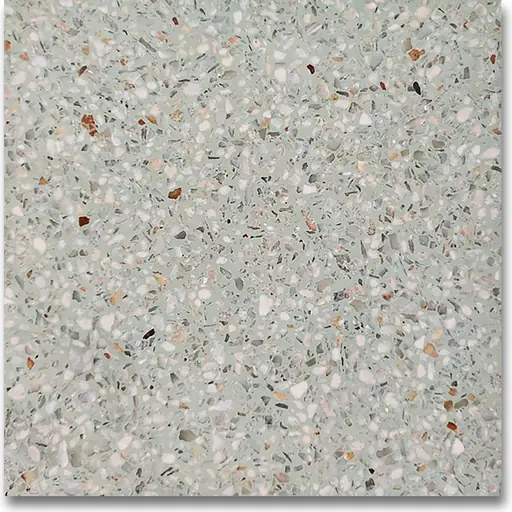
ATMG-5004
Cloud white chips, size 1.75
Request this sample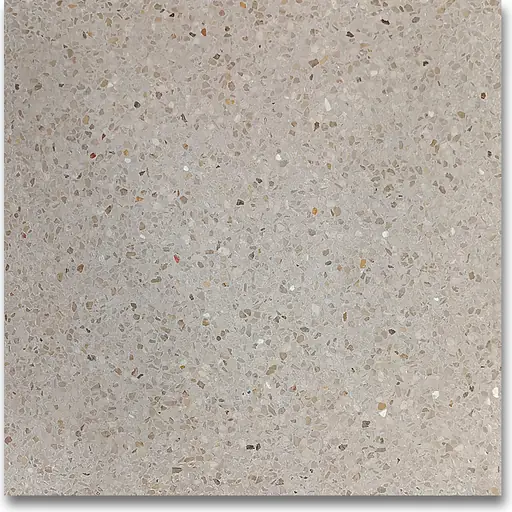
ATB-6001
Verona chips, size 1.5
Request this sample
Nothing is collected on this page. Note the codes you want and send them from the contact page, and physical samples of those finishes go out against your quantity.

Specification
- Coded finishes
- 38
- Base colours
- 6
- Chip grade
- 1.5 to 3
- Format
- Cast to order
- Finish
- Ground, honed, polished
- Application
- Floor, wall, stair tread
Poured by hand, ground flat
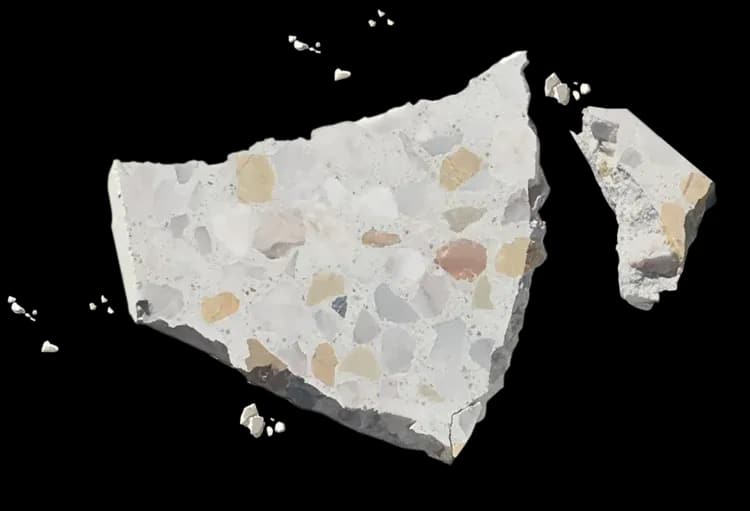
A terrazzo tile starts as a wet cement matrix with marble aggregate stirred through it, poured by hand into a mould at the works in Karachi. The chips are not scattered onto the face. They are carried through the full depth of the slab, which is the whole reason the material behaves the way it does.
The tile cures before anything abrasive touches it. Then it is ground, honed and polished until the aggregate sits flush with the matrix and the surface reads as one plane. A floor that has taken ten years of traffic can be reground in place, because there is more of the same tile underneath the part that wore.
- Pour
- By hand
- Aggregate
- Full depth
- Repair
- Reground in place
How to read a finish code
Every finish carries a code, and the code is the specification. The letters name the base colour of the cement, the number is the finish within that family, and the chip grade is the size of the aggregate: 1.5 is fine and even, 3 is coarse and legible from standing height. ATW-1001 is a white base with Greece white chips at grade 3. ATG-2007 is a grey base with black chips, also at grade 3.
Six base families are in production, and the code order is the order the families were issued rather than any ranking. Quote a code and the yard knows which pigment, which aggregate and which grade to load, with nothing left to interpret over a phone call.
- ATW
- 1001 to 1011, white base
- ATG
- 2001 to 2009, grey base
- ATY
- 3001 to 3007, yellow base
- ATR
- 4001 to 4006, red base
- ATMG
- 5001 to 5004, mint green base
- ATB
- 6001, light beige brown base
Picking from the library of 38
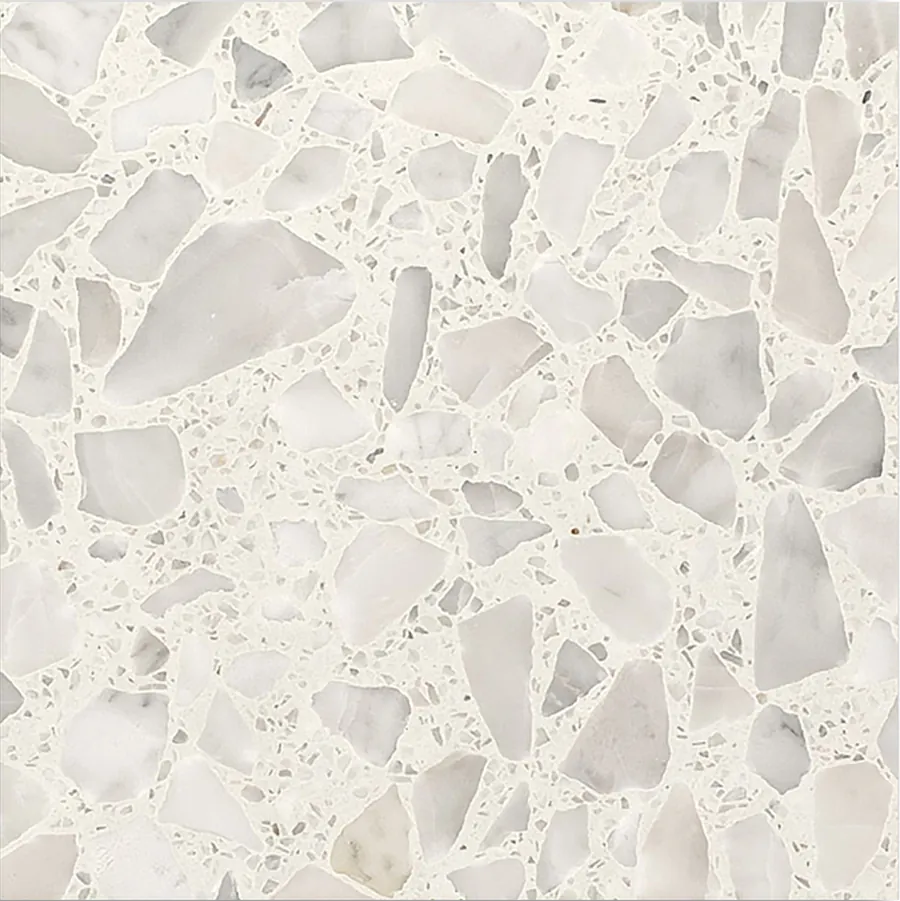
All thirty eight finishes sit together in the library at the top of this page, filterable by base colour and by chip grade. They are the same plates the yard works from, photographed close enough to read the chip edges rather than reduced to a thumbnail.
Two finishes can share a base and still look nothing alike once the aggregate changes. A grey base with Greece white chips at 1.5 is quiet and even; the same base with black chips at 3 is high contrast and busy. Look at the grade before the colour, because the grade decides how a floor reads across a room more than the base does.
- Chip grades
- 1.5, 1.75, 2, 3
- Aggregates
- Greece white, salt pepper, Verona, black
- Browse
- At the top of this page
Where terrazzo earns its place
Terrazzo goes where a floor takes traffic for decades and still has to look composed: mosque halls, office and hotel lobbies, retail floors, stair treads and landings, and residential floors that want a hard surface without a grid of visible joints. It suits a stair well, because the same tile can be cut and nosed rather than trimmed in a second material.
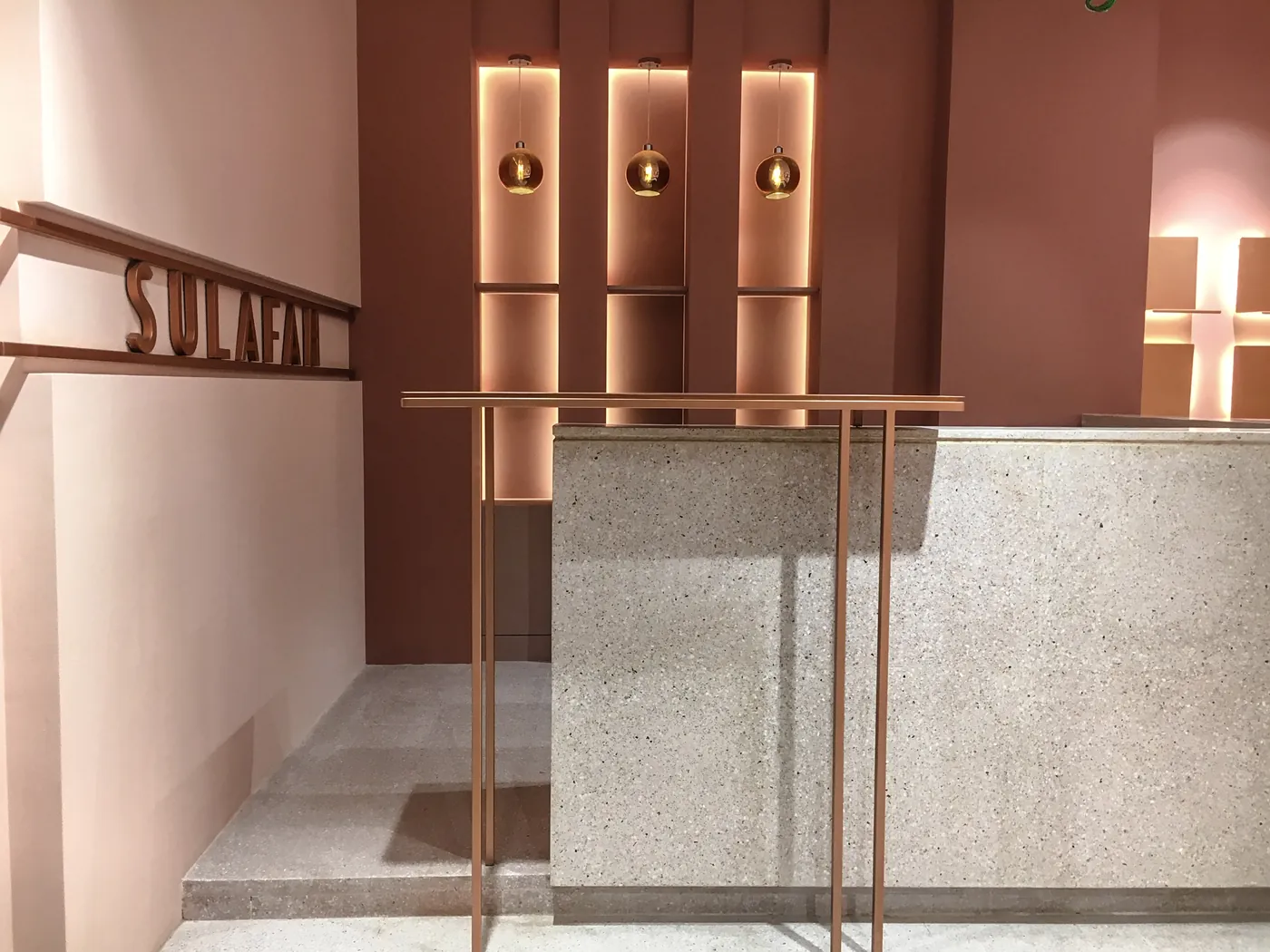
Sulafah at Dolmen Mall Clifton is polished terrazzo we made and laid. The counter, the steps and the floor are all the same tile, running under mall traffic, which is the honest test of a finish: the aggregate is doing the work rather than a print of one.
What happens on site
Setting out comes first. The crew checks the screed and the falls, then sets the grid out from the drawing rather than from the nearest doorway, so the cuts land where the drawing says they land and not against a feature wall.
Once the tile is laid and grouted, the floor is ground and honed in place. That is the step that closes the joints visually and takes the whole floor to one level, and it is what separates a terrazzo floor from a tiled floor. Then it is sealed with a penetrating sealer rather than a surface film, before handover.
After that the floor wants a neutral pH cleaner and a mop. Acidic cleaners, bleach and abrasive pads etch marble and dull a polish, and no sealer prevents that. Resealing is periodic and follows traffic rather than a calendar.
- Sequence
- Set out, lay, grind, seal
- Sealer
- Penetrating, no film
- Cleaning
- Neutral pH
What a specifier asks about this material
- Can a worn terrazzo floor be repaired instead of replaced?
- Yes. The marble aggregate runs through the full depth of the tile rather than sitting on the face, so a floor that has dulled or picked up scratches is reground and re-honed in place and comes back to the same finish. That is not possible with a printed or glazed tile, where grinding the face removes the pattern. Localised damage is cut out, replaced from the same coded finish, then ground flush with the rest of the floor.
- How do I specify a finish so the yard makes the right tile?
- Quote the code. ATW-1001 states white base, Greece white chips, grade 3, and leaves nothing to interpret. Send the code with the area in square feet and the application, floor or wall or stair tread, and ask for a sample of that code before it goes into a drawing set. A finish chosen from a screen and a finish chosen from a plate are often not the same finish.
- What if the colour I want is not among the 38?
- The 38 are the coded finishes in current production, not the limit of what can be poured. A base pigment and an aggregate can be matched to a reference and cast as a bespoke batch for that project rather than added to the catalogue. Send a physical reference if you have one, because matching to a screen is guesswork, and send the area with it: a bespoke colour needs a batch large enough to hold consistent.
- Is polished terrazzo suitable for a ramp or an external step?
- A ground and polished surface is smooth, which is the wrong instinct for a ramp, a pool surround or an external step. Use washed terrazzo there, where the same aggregate is exposed and left standing proud of the matrix so there is texture underfoot. Inside a bathroom or a kitchen, polished terrazzo is specified routinely; the judgement is about standing water and slope, not about the material.
Materials laid alongside this one

Name the codes you need
Send the codes, the format and the area you are covering, and we will come back with physical samples and a quote against that quantity.