
Sandstone slabs and tiles
Sandstone is cemented quartz grain, warm in colour and banded by the beds it settled in. The reason to specify it is the natural cleft face: split along the bedding plane rather than sawn, so the surface you lay is the one the stone made. AFINISHES manufactures concrete tile and supplies natural stone, so sandstone is selected, split or sawn, and cut to size in Karachi, for terraces and facades.
Yellow sandstone, two faces
One stone, finished two ways. Sawn and rubbed it reads as a warm even ochre plane. Bush hammered it becomes a coarse external surface for a step, a ramp or a plinth.
2 finishes in this library
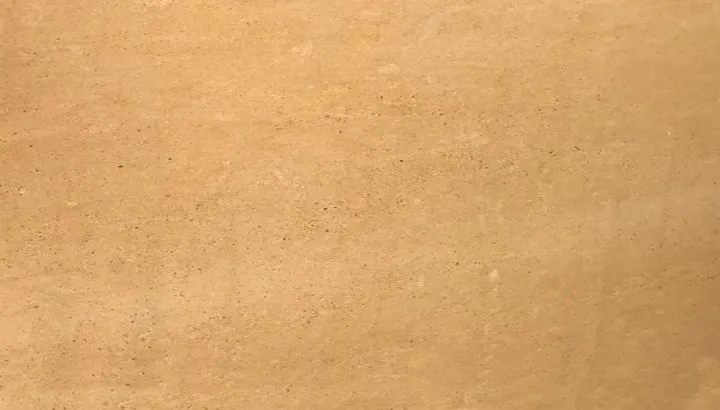
Yellow sandstone
Sawn, warm and even
Request this sample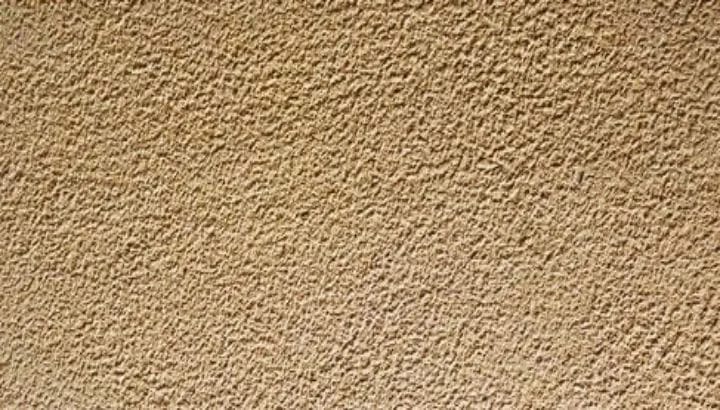
Bush hammered yellow
Peened for external grip
Request this sample
Sandstone darkens when it is wet and dries back. Judge a sample under a hose before it goes on an external floor that will be washed down.

Specification
- Format
- Slab and tile
- Supply
- Supplied and cut in Karachi
- Signature
- Natural cleft face
- Character
- Warm sedimentary banding
- Finish
- Natural cleft, sawn, honed
- Laying
- Draw from mixed pallets
- Best use
- Terrace, courtyard, facade, path
What a natural cleft face is
Sandstone was laid down in beds and it splits along them. A natural cleft face is made by driving a wedge into that bedding plane so the stone opens on its own line, rather than by running a saw through it. What you get is not a texture applied to the stone afterwards. It is the surface the sediment left, slightly undulating, faintly rippled, holding a low relief that changes through the day as the sun moves across it.
Because the face is riven rather than ground, the grip is built into it. Wet, that matters more than any coating: a terrace, a path, a step or a pool edge in natural cleft sandstone stays walkable in rain, and nothing has to be added later to make it safe.
The consequence of a split face is that thickness varies a little from unit to unit, because the stone chose the line and not the saw. On a terrace that variation is absorbed in the bedding. Where a tight tolerance is genuinely needed, sandstone is also supplied sawn and honed, and the two are good together: cleft across the field, sawn at the copings, edges and steps where the line has to be crisp.
Warm banding and laying from mixed pallets
The colour comes from the iron and clay that cemented the quartz, and it runs in bands because the beds were deposited in sequence. Buff, honey, ochre, a grey buff, a rust streak, sometimes a purple grey. Within one batch you will see a range of those, and between two blocks you will see a wider one. That is the stone behaving normally rather than a quality problem to reject.
The instruction that follows is the single thing most often got wrong on site. Do not work one pallet out and then start the next, because a crew laying that way produces a terrace in visible zones, and the seam between two zones looks like a mistake for as long as the floor exists. Open four or five pallets at once, draw units from all of them as you go, and step back every few square metres to check how the tone is spreading.
Settle the range with the client before laying rather than after. A dry lay of a few square metres shows what the batch actually does, which is a far better conversation than a single sample tile that appeared to promise one colour.
- Expect
- Buff, honey, ochre, grey buff
- Method
- Four to five pallets open at once
- Before mortar
- Dry lay to agree the range
How sandstone weathers
Sandstone changes outdoors and it changes slowly. Through the first year or two the surface loses the brightness a freshly split face carries, as rain washes the cutting dust out of the grain and sunlight settles the colour down. Over longer than that the ochres and honeys soften towards grey, moss and lichen take in the shaded joints and under planting, and the cleft relief picks up a patina that reads as age rather than as dirt.
Whether that is a fault or the whole point depends on what was specified. On a terrace, a courtyard or a garden path it is precisely why sandstone is used, because it looks better at year ten than it did on handover and very few materials manage that. On a facade the same weathering is uneven by nature: sheltered bays under a soffit stay lighter than the panels taking the rain, and where that pattern is not wanted the elevation has to be detailed so water runs off where you intend.
None of it is stopped by sealing, and a film sealer usually makes matters worse by trapping moisture behind it and going patchy. A breathable impregnating treatment slows the change where a client wants the tone held back, and it needs renewing. The honest specification is to choose sandstone knowing it will move, and to choose a cast concrete unit when the colour has to stay put.
Sandstone against a concrete paving unit
The two materials answer different questions and it is worth being blunt about which is which. Where a surface takes vehicle load, a car turning, a loaded pickup, a delivery van on a shared drive, the right unit is a concrete paving tile cast and rated for that load rather than a split flag. Our outdoor tiles for driveway and pathway are manufactured for exactly that condition, at /products/outdoor-tiles-for-driveway-pathway.
Where the surface takes feet, sandstone is the better material and it is not close. A cleft face has grip that a cast surface has to be textured to imitate, the colour is in the stone rather than in a pigment, and the variation across a batch reads as a natural floor instead of a repeated module. A terrace, a courtyard, a garden path, a pool deck, a stair set into a landscape: this is the work sandstone is for.
There is a middle case worth naming rather than fudging. Where a large external area has to hold one appearance in identical units, and to still match in five years when a section is lifted for a service run, the concrete unit wins on consistency because it is cast from a mould rather than split from a bed. The variation in sandstone is a feature you accept on a terrace and a liability on a big repeated grid where every unit is meant to be the twin of the next.
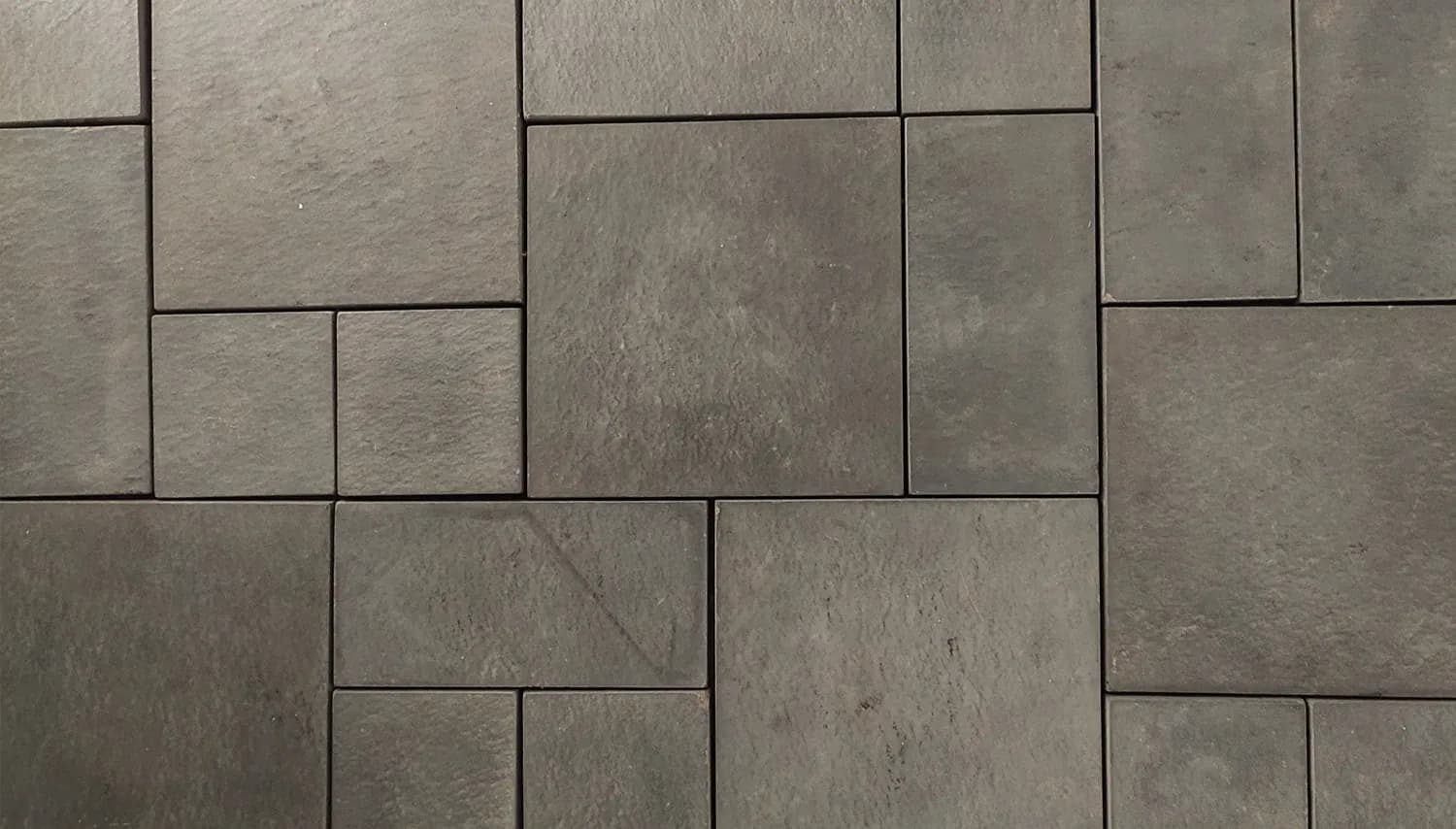
Cladding a facade, cut to size in Karachi
AFINISHES manufactures concrete tile and supplies natural stone. Sandstone is not something we make. It is selected, split or sawn, finished and cut to the sizes on your elevation, here in Karachi. That local cutting is what makes a facade practical, because cladding is a list of specific pieces rather than a quantity of one standard size.
Set the coursing on the drawing and the cutting follows it: the full panels, the reduced pieces at a reveal, the returns at a corner, the sills and the copings. Fixing method is a function of height and substrate rather than of the stone, so tell us where the sandstone is going and how high it climbs, and the piece sizes and thickness are set to suit the fixing rather than the other way round.
A cleft face on a facade catches raking light in a way a sawn face cannot, which is most of the reason to use it above eye level. Mix the pallets across an elevation exactly as you would across a floor, and expect the sheltered areas to stay lighter than the exposed ones as the wall weathers in.
What a specifier asks about this material
- Can natural cleft sandstone be used indoors?
- It can, with one caveat about the surface. A cleft face is slightly undulating, which is what gives it grip outdoors and what makes it uncomfortable under a dining chair or a bare foot indoors, and the low relief collects dust. For an interior floor, specify sandstone sawn and honed and keep the cleft face for the terrace the floor runs out to. Using both is a good detail, because the plane reads as continuous while the texture changes at the threshold.
- Will the colour change once it is laid outside?
- Yes, and it should be specified on that basis rather than in spite of it. The first year or two washes the freshly split brightness out of the surface, and over longer the warm tones soften towards grey while shaded joints take moss. On a terrace or a courtyard that patina is the reason to use sandstone at all. Where a colour has to stay fixed, a breathable impregnating treatment slows the change without stopping it, and a cast concrete unit is the material that actually holds its tone.
- How much variation should I expect across a batch?
- Enough that you have to lay for it. Sandstone is banded by the beds it formed in, so expect buff, honey, ochre and grey buff within one batch and a wider spread between blocks. Open several pallets at once and draw from all of them as you lay, so the variation distributes across the floor instead of collecting in zones. A dry lay of a few square metres before the mortar goes down sets the expectation better than any single sample.
- Sandstone or concrete paving for a driveway?
- Concrete paving, if vehicles drive on it. A driveway unit has to be cast and rated for wheel load and to be replaceable in an identical size years later, and that is a manufactured product rather than a split flag. Use sandstone for the terrace, the path, the courtyard and the pool deck alongside it, where the load is feet and the cleft face is doing real work. The two sit together well, provided the joint between them is detailed as a deliberate change of material rather than left to meet by accident.
Materials laid alongside this one


Name the codes you need
Send the codes, the format and the area you are covering, and we will come back with physical samples and a quote against that quantity.